

More than a Meal: How the Oblates are Feeding Hope in Manta, Ecuador
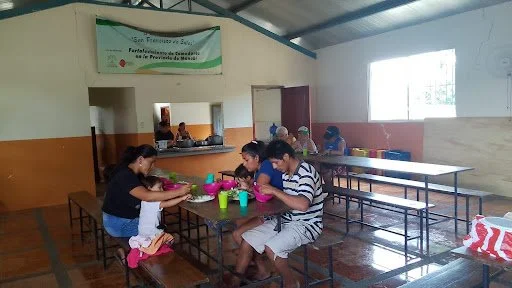
In Manta, Ecuador, the Oblates opened four dining halls, which quickly became crowded. These halls serve lunch to children, elderly, and families in the city’s outskirts who live in very poor conditions. From the beginning of their time in Ecuador, the Oblates have focused on social service to the poor; however, from those actions spring more than just full bellies. These dining halls have built a stronger, more hopeful community in the most challenging circumstances.
The San José, Amor Divino, San Francisco de Sales, and Honorato Vázquez dining halls serve over 200 hot meals daily in the City of Manta and nearby rural communities. Volunteers lovingly dedicate their time to preparing and serving meals under the guidance of the Caritas pastoral ministry.
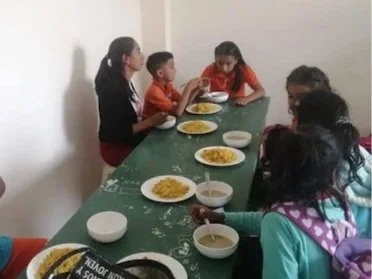
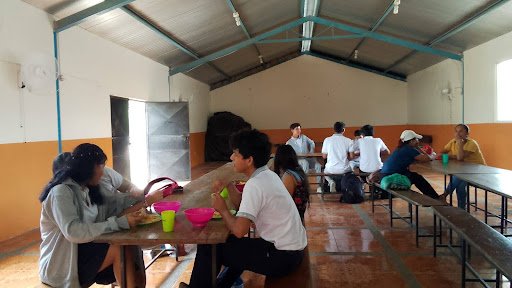
These popular dining halls emerged as a response to hunger in the community. Father Roque Bisognin, OSFS, the first Oblate missionary to arrive in Manta in 1993, recalls those early days. “It began in the parish with the San José Obrero Community, with help from the Manta Municipality at the time, in a settlement - land invasion by poor families seeking a place to build a home," he explains. “This dining hall was opened to meet that need.” Over time, more dining halls opened in various communities throughout the countryside and city, as a result of unemployment and poverty.
Soon a hall was opened in the Virgen de Fatima community, and the management of Pablo VI Parish is led by Fr. Dalo Luc and served by its parishioners. Later, in the Costa Azul neighborhood of Manta where vulnerable families live, a third hall was opened and then in Amor Divino.
Beyond preparing and serving meals, the dining halls have become spaces where Salesian solidarity and charity guide the community. According to Fr. Yandri Loor, OSFS, “ Serving in the dining halls is an artisanal task.” Food drives are run, organizations donate food, and devotees of Niño Jesús donate fish and tuna. Many of the donations are small, but he says that the generosity is what keeps the dining halls running.
Education has also continued to play a key role in reducing poverty in Ecuador and the dining halls have facilitated this. The families and children who come become familiar faces, and relationships are born. “Within the context of the dining halls, scholarships were created to help children and youth who want to study,” says Yandri. The support from two sister parishes in the United States allows the Oblates to continue helping families who cannot afford university expenses. The dining halls, however, operate in poor physical condition. The infrastructure is deteriorating, with cracked walls, peeling paint, broken bathrooms, and damaged kitchen equipment. There is also a lack of clean, safe water. The Oblates hope to strengthen the program by implementing professional social services, allowing family visits, and adding vocational training and psychological support. To do so, we need much financial support.
The dynamic City of Manta still faces many challenges like violence, drug trafficking, and economic instability. Meeting physical and educational needs is just the beginning. The real contribution of the Oblates ministering there is bringing Francis’ gentle, positive, and hopeful spirituality. Amidst all the suffering and uncertainty, our brother Oblates remain faithful to their mission of spreading the Gospel and trusting that “better days will come with God’s help.”
The dining halls in Manta, operated by the Oblates, embody more than a space where meals are shared; they become homes of hospitality in the Salesian model. This communal service to the most unfortunate reflects the spirituality of St. Francis de Sales, while fostering a sense of community and hope among those they serve.

Grace Meadows
Oblate Missions Intern