For a course on Latin American Catholic History this past fall semester, I had the opportunity to research the history of the Oblates and Oblate Sisters in Latin America. That is, of course, a huge topic, so I narrowed it down and focused on an incredible primary source the Sisters sent me after we visited their motherhouse in Troyes, France, in October: a letter from 1900 written in Fr. Brisson’s own hand assuring a concerned party that the Sisters would not leave the school they had founded the previous year despite the hardships they were experiencing there.
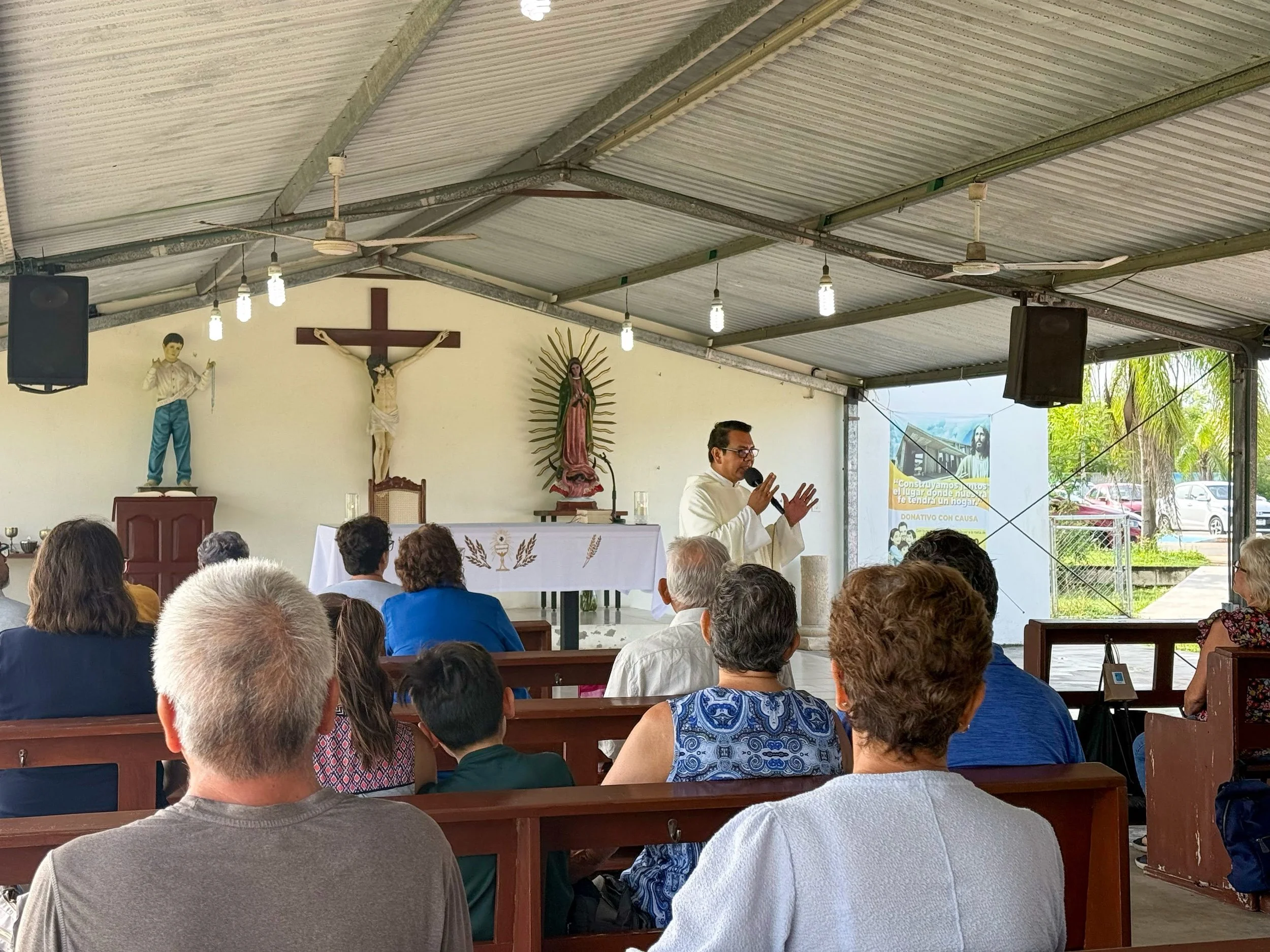
When I finished the project, my professor suggested that visiting the Oblatos y Oblatas in Latin America would be a great way to deepen what I had learned and to move my intermediate Spanish ability closer to the advanced level. This summer, with the help of a large group of Oblates from three countries, I visited our missions and apostolates in both Mexico and Ecuador. My professor’s suggestion was more than fulfilled.
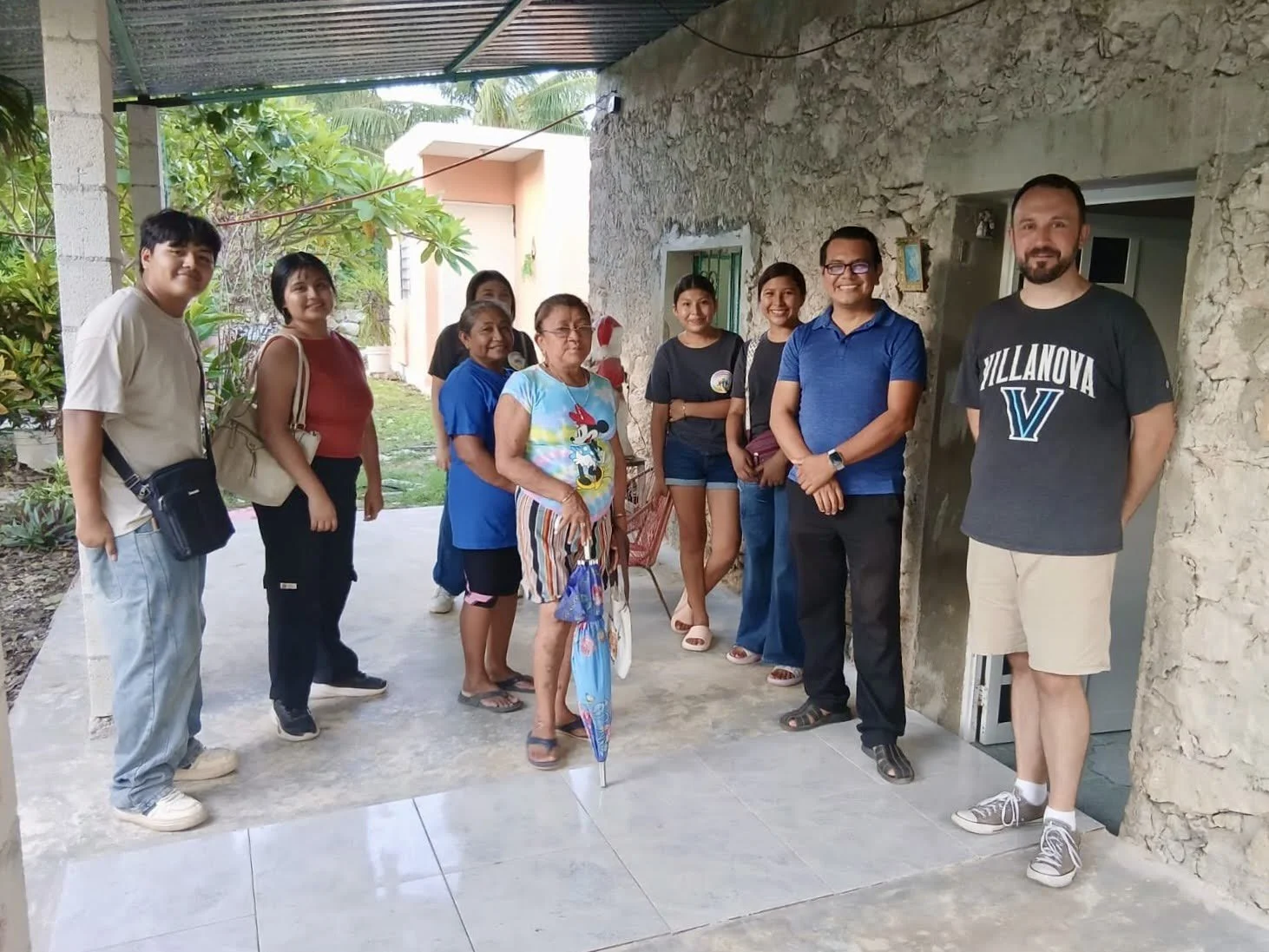
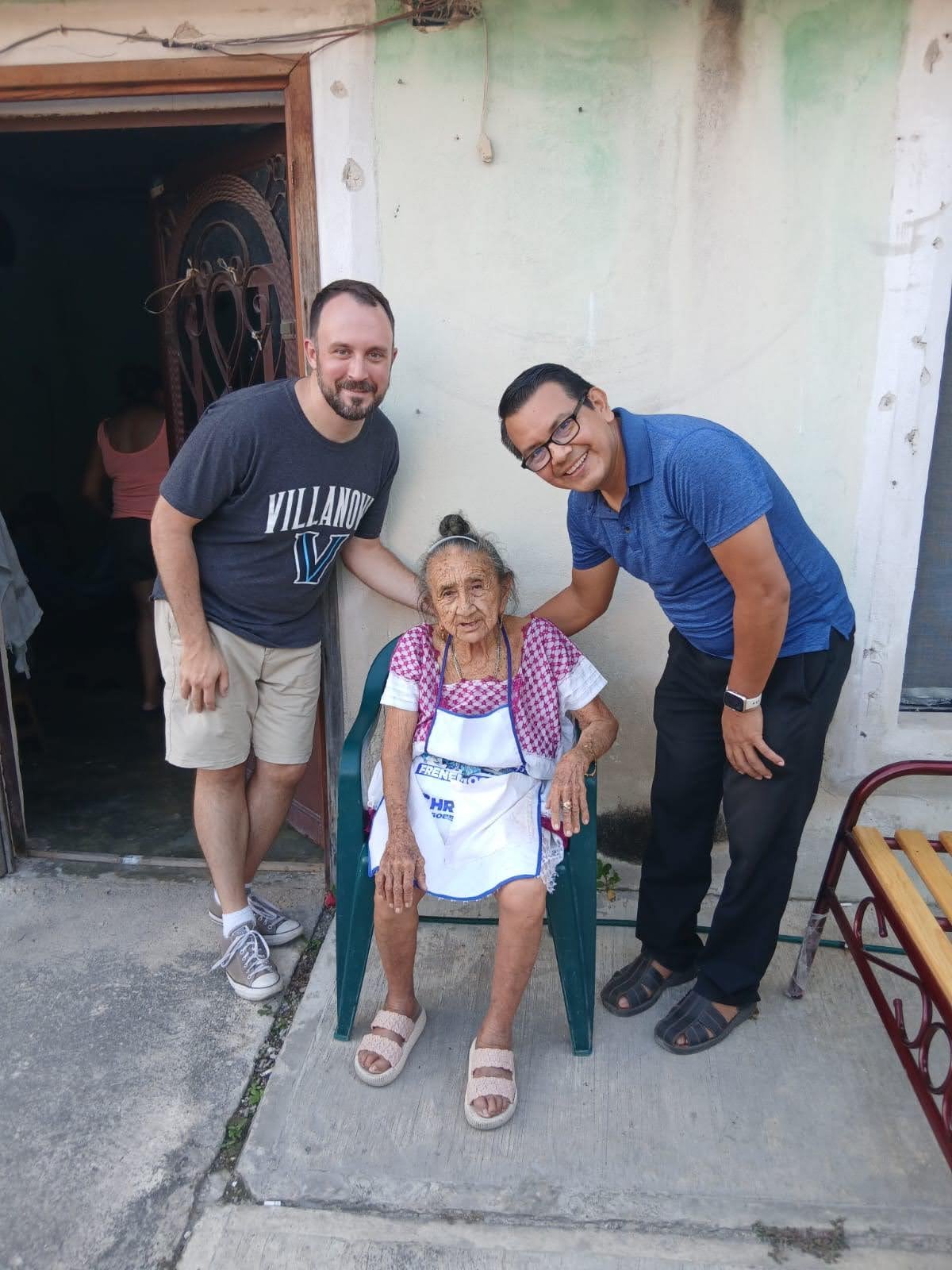
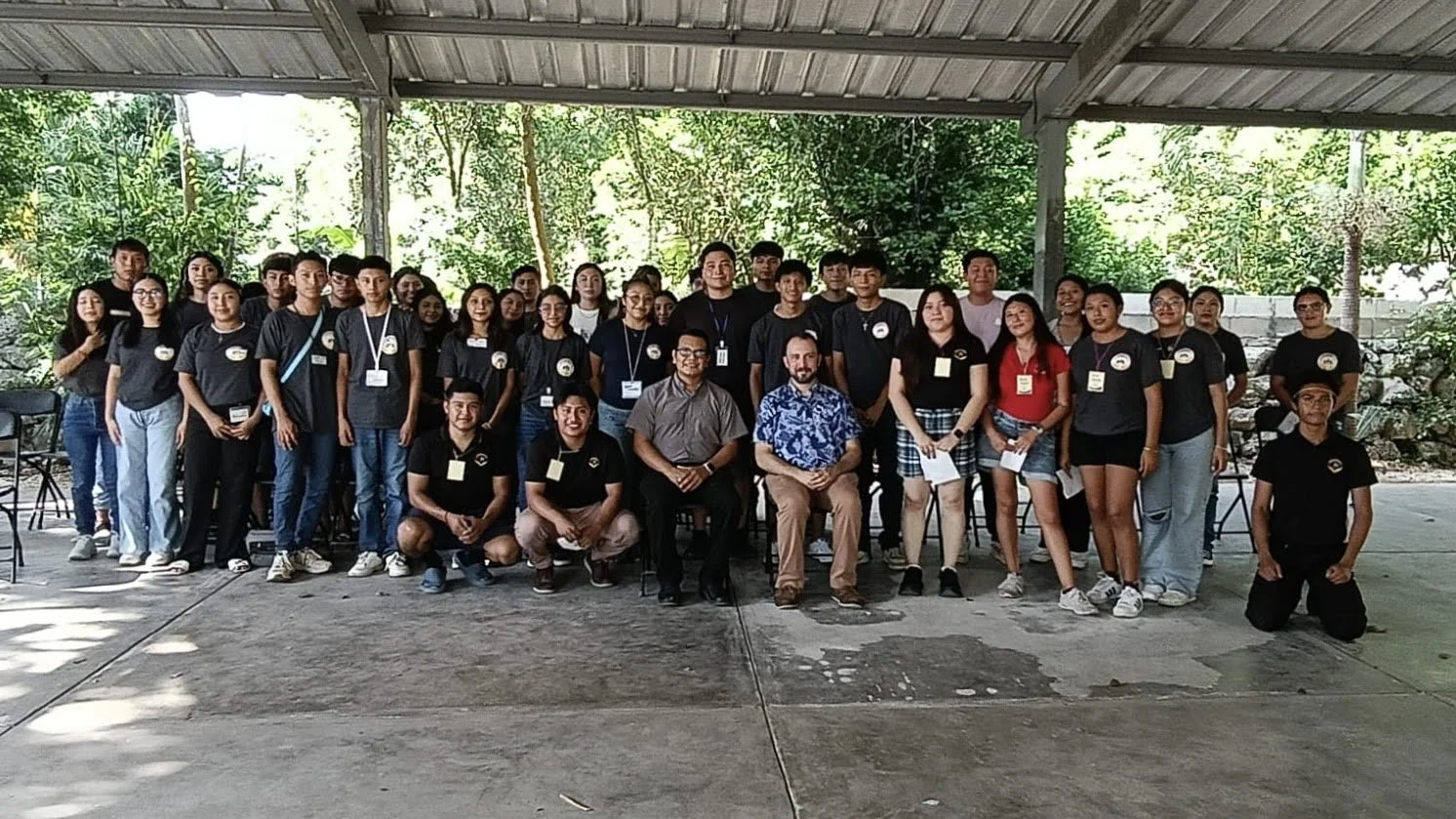
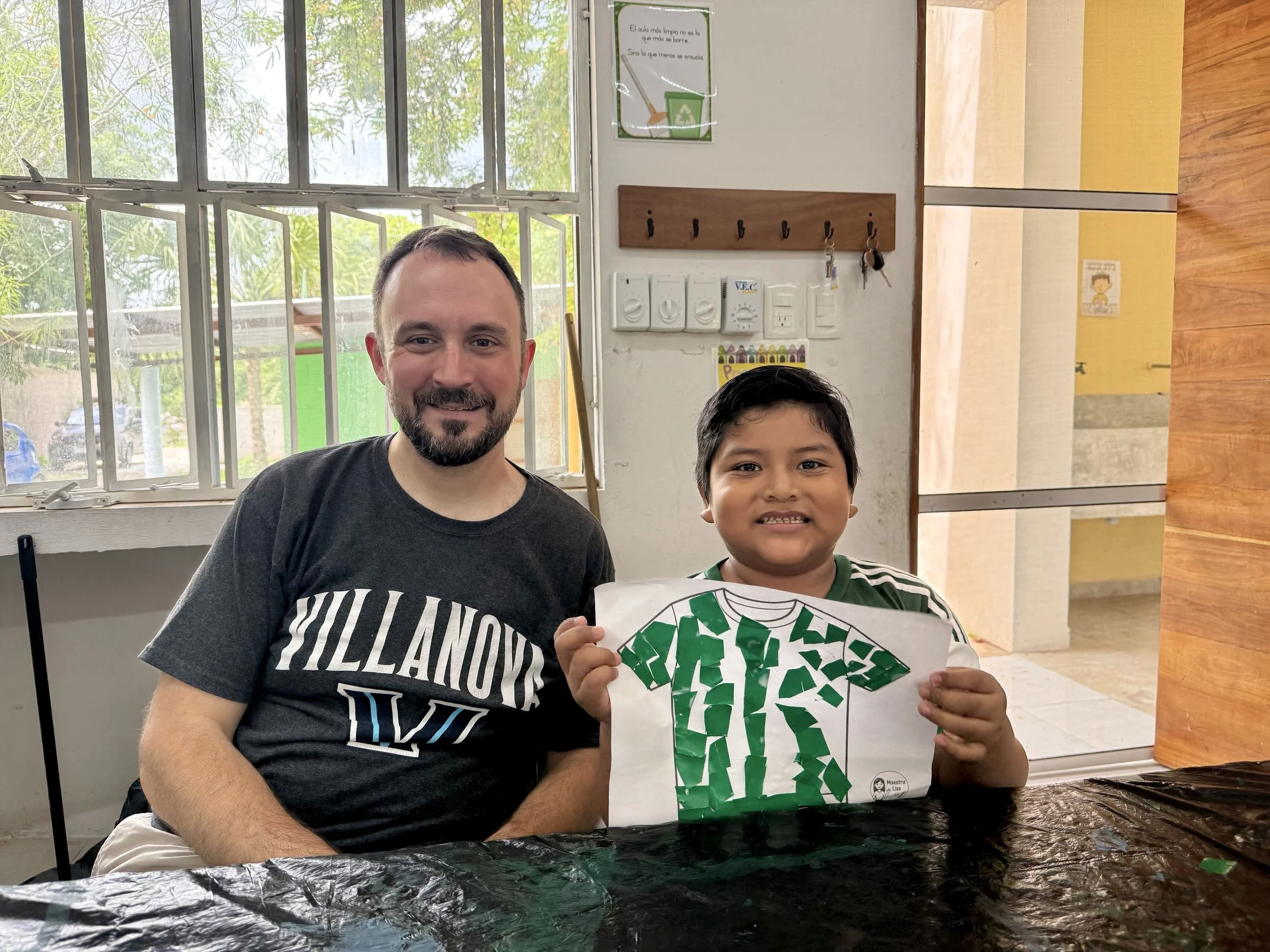
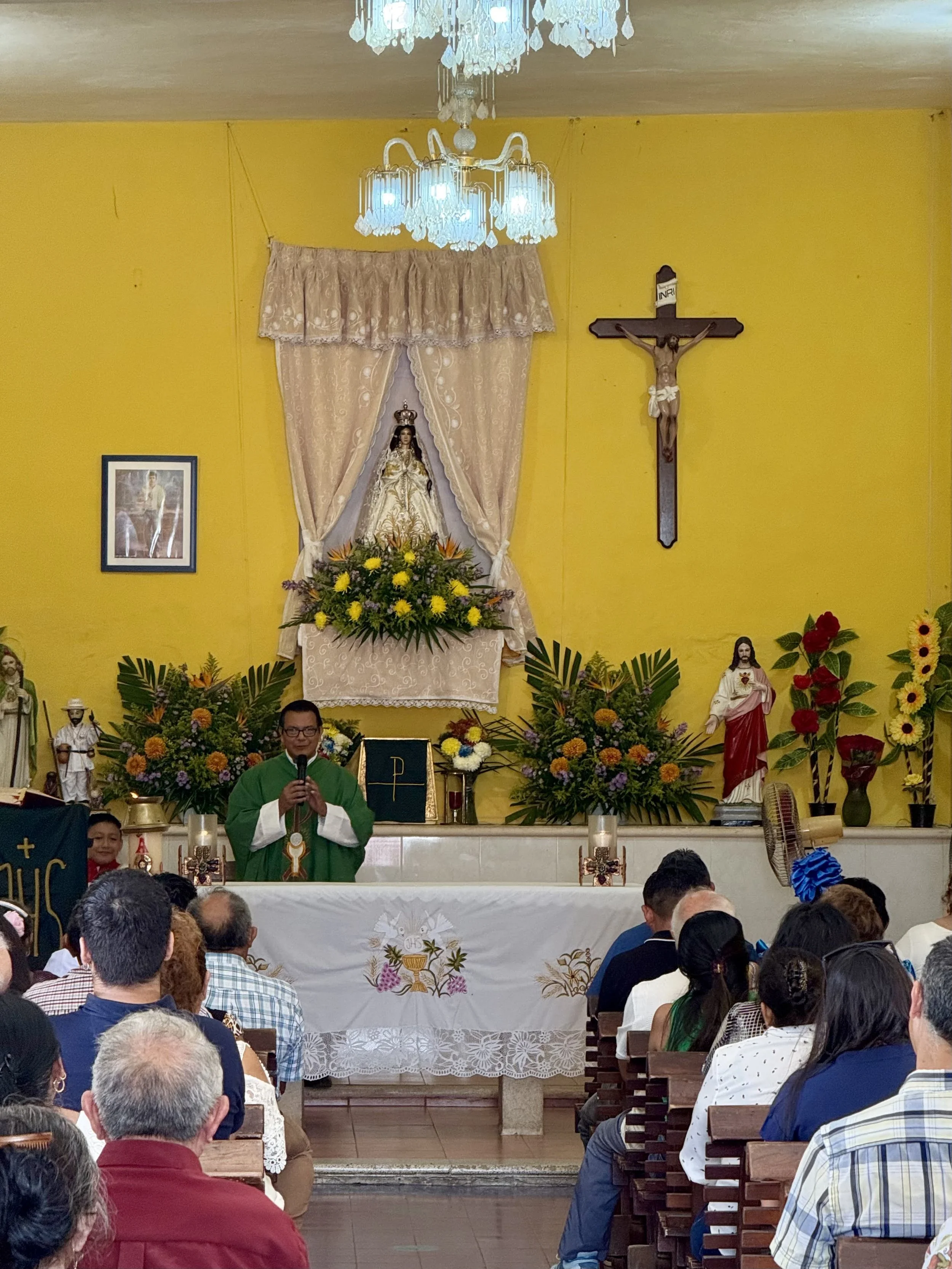
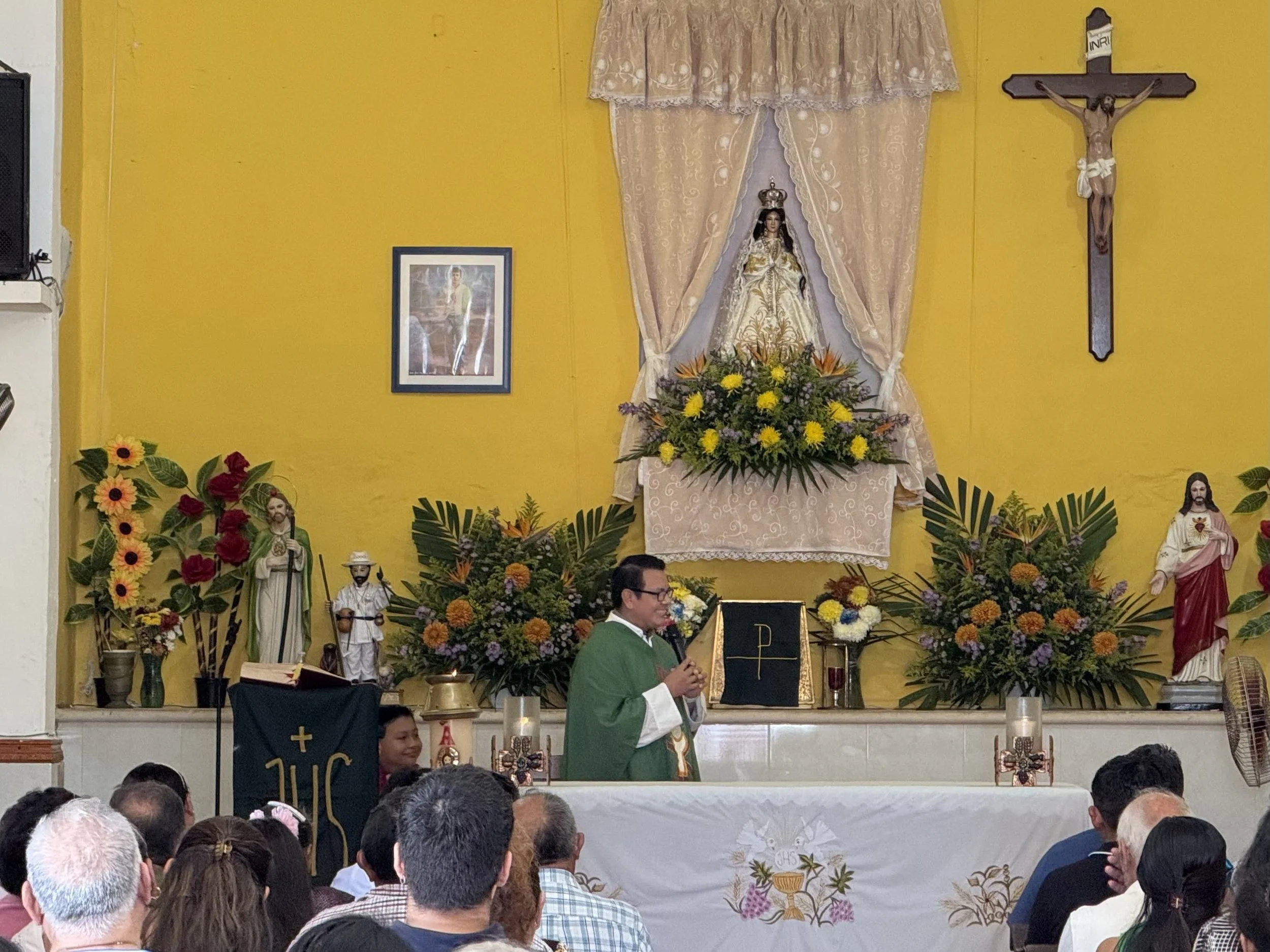
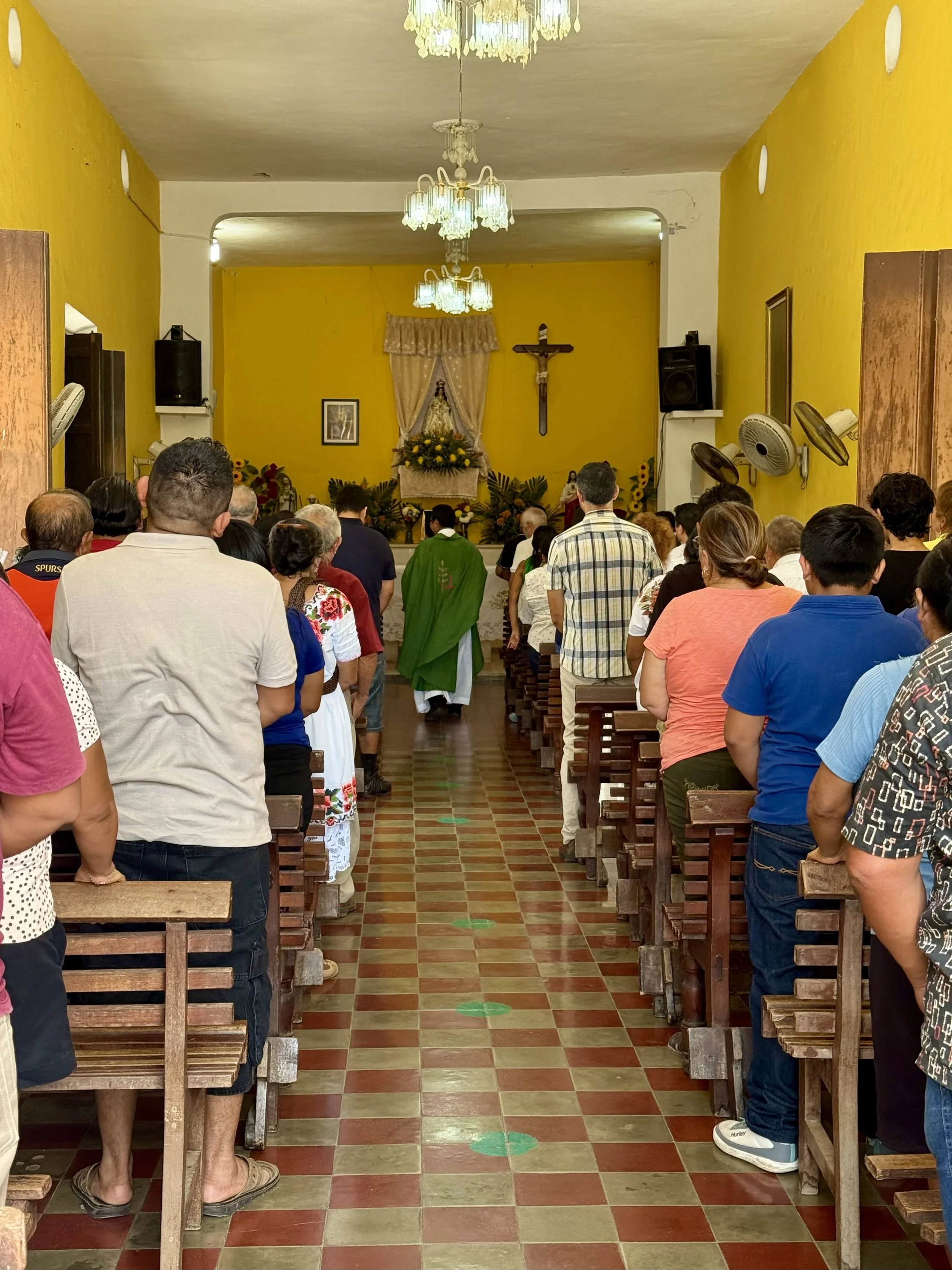
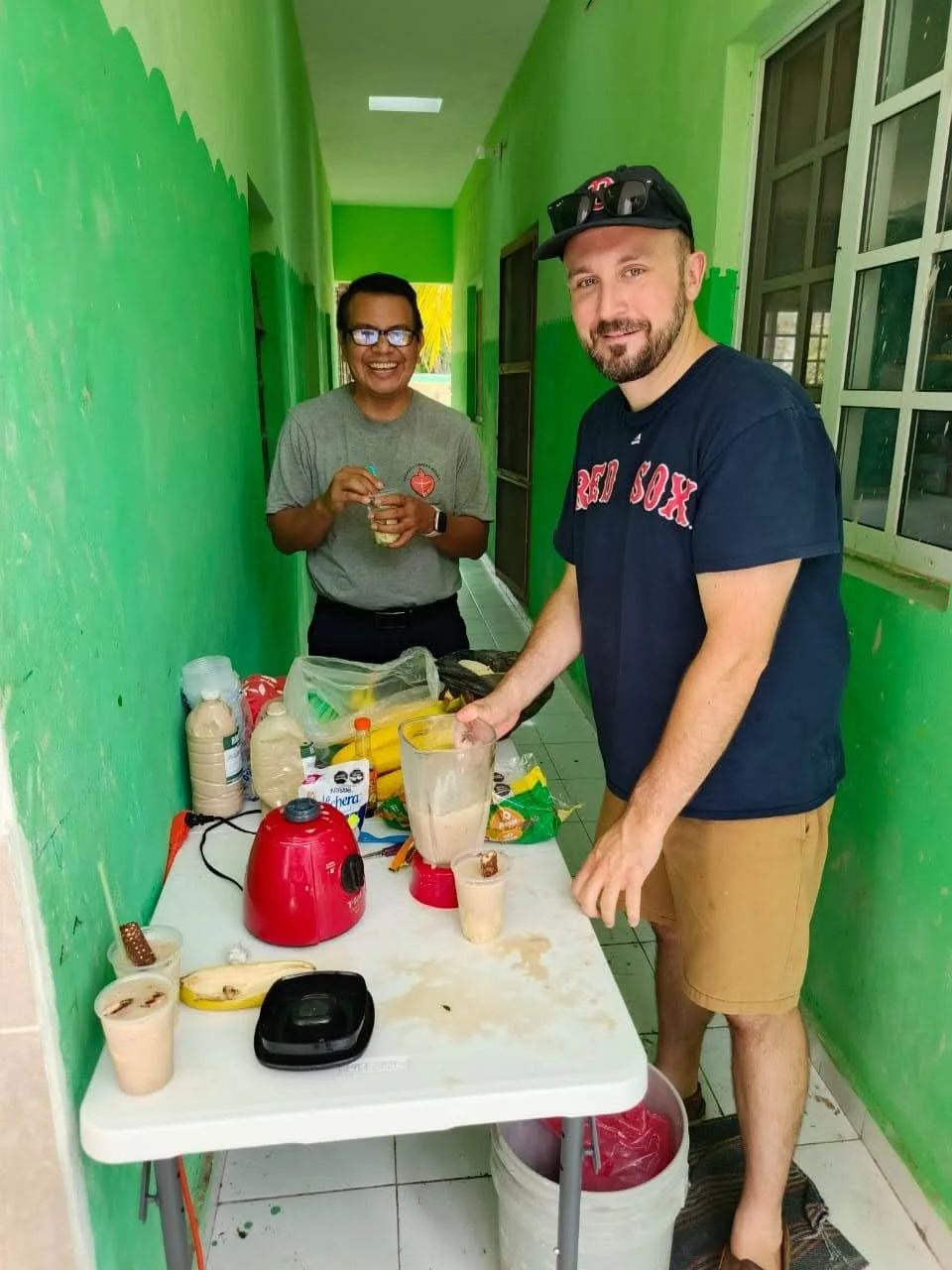
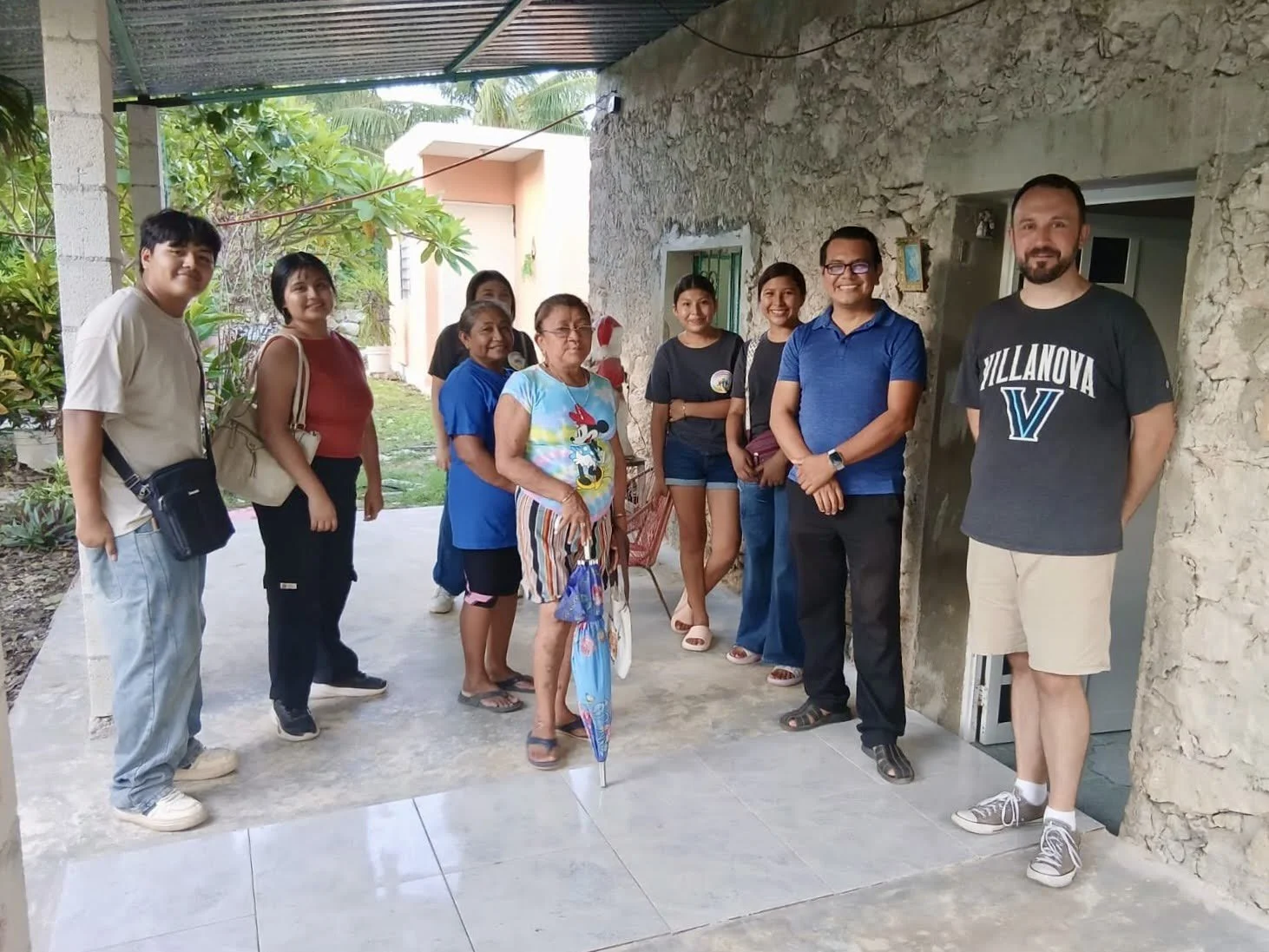
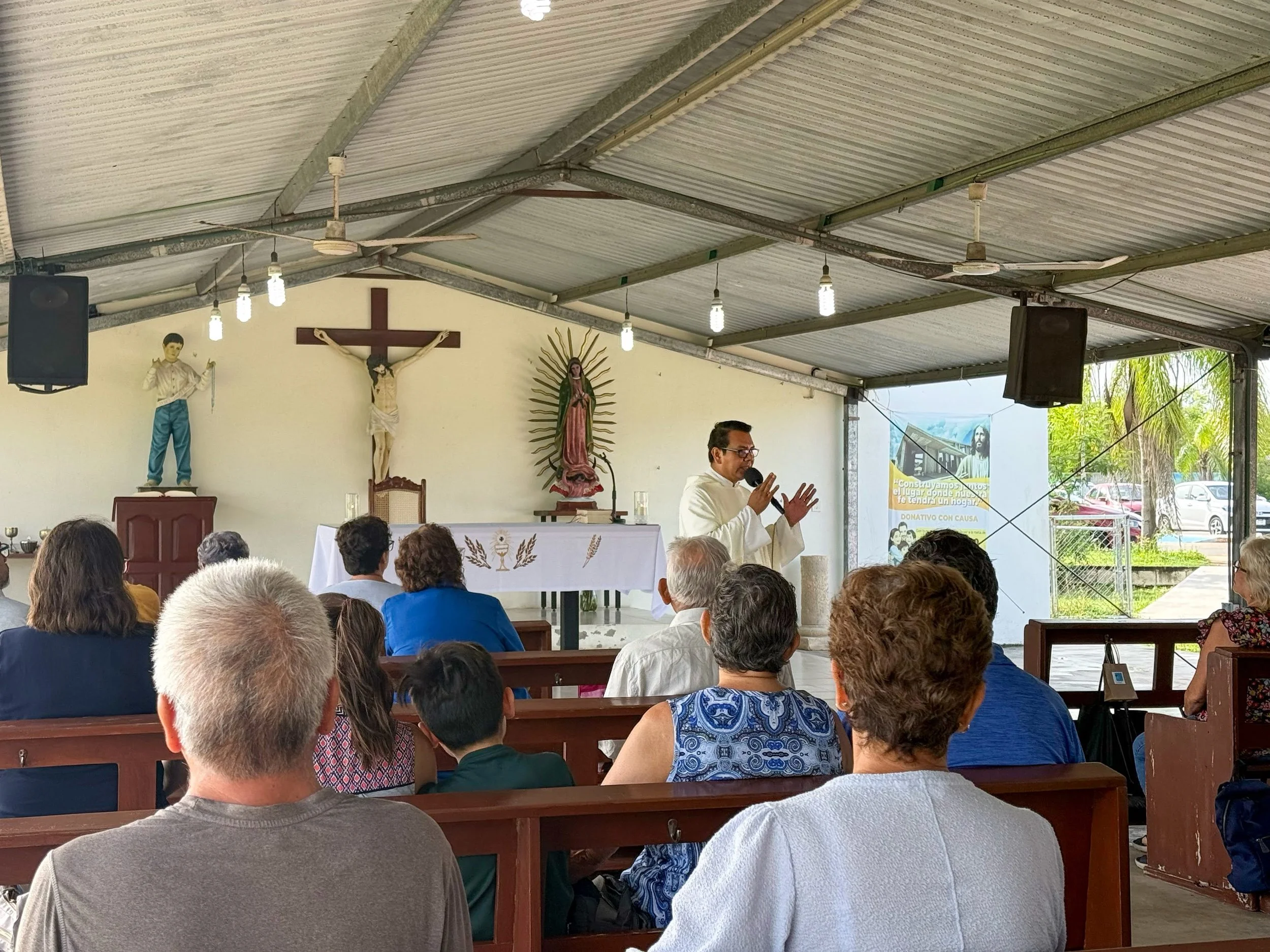
In Mexico, I worked alongside Fr. Erik Jorge, OSFS, in his parish and in the many Maya Missions educational outreach centers he partners with in the surrounding villages. Erik and I played soccer with the elementary school kids (I lost), practiced English with the high school and college students, visited the sick with groups of teenage volunteers, and enjoyed the many archaeological sites that highlight the incredible legacy of the Maya Empire.
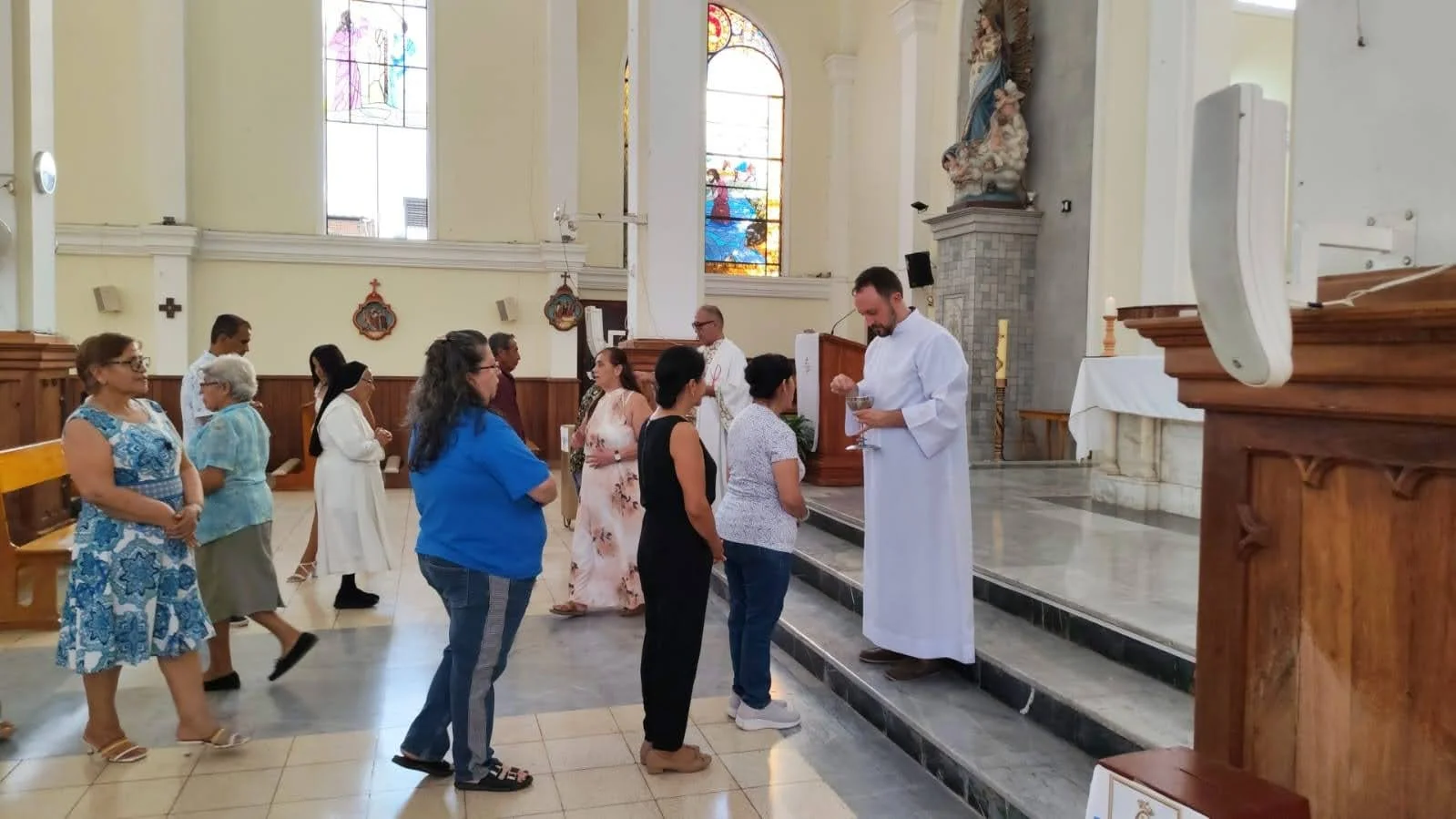
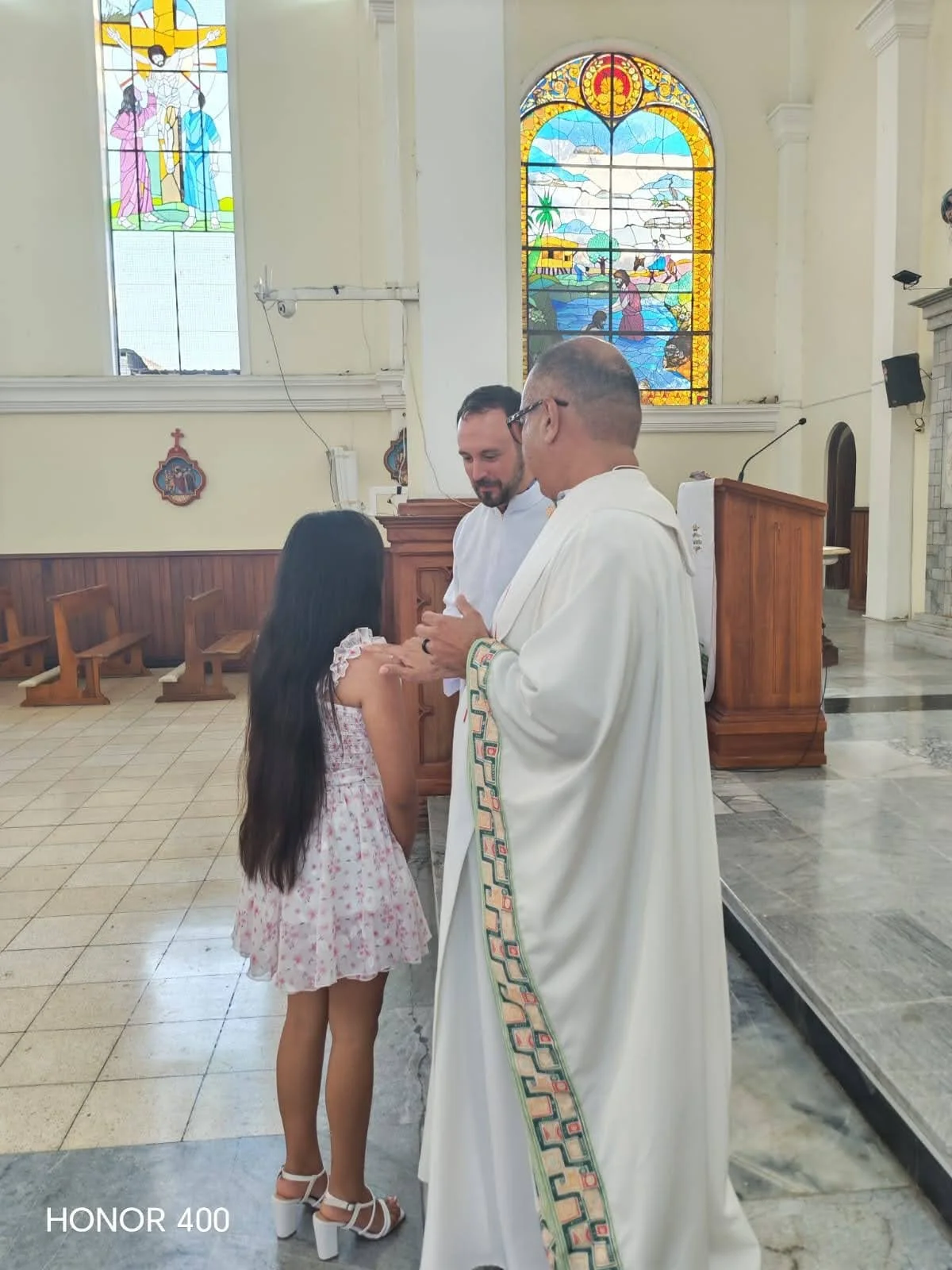
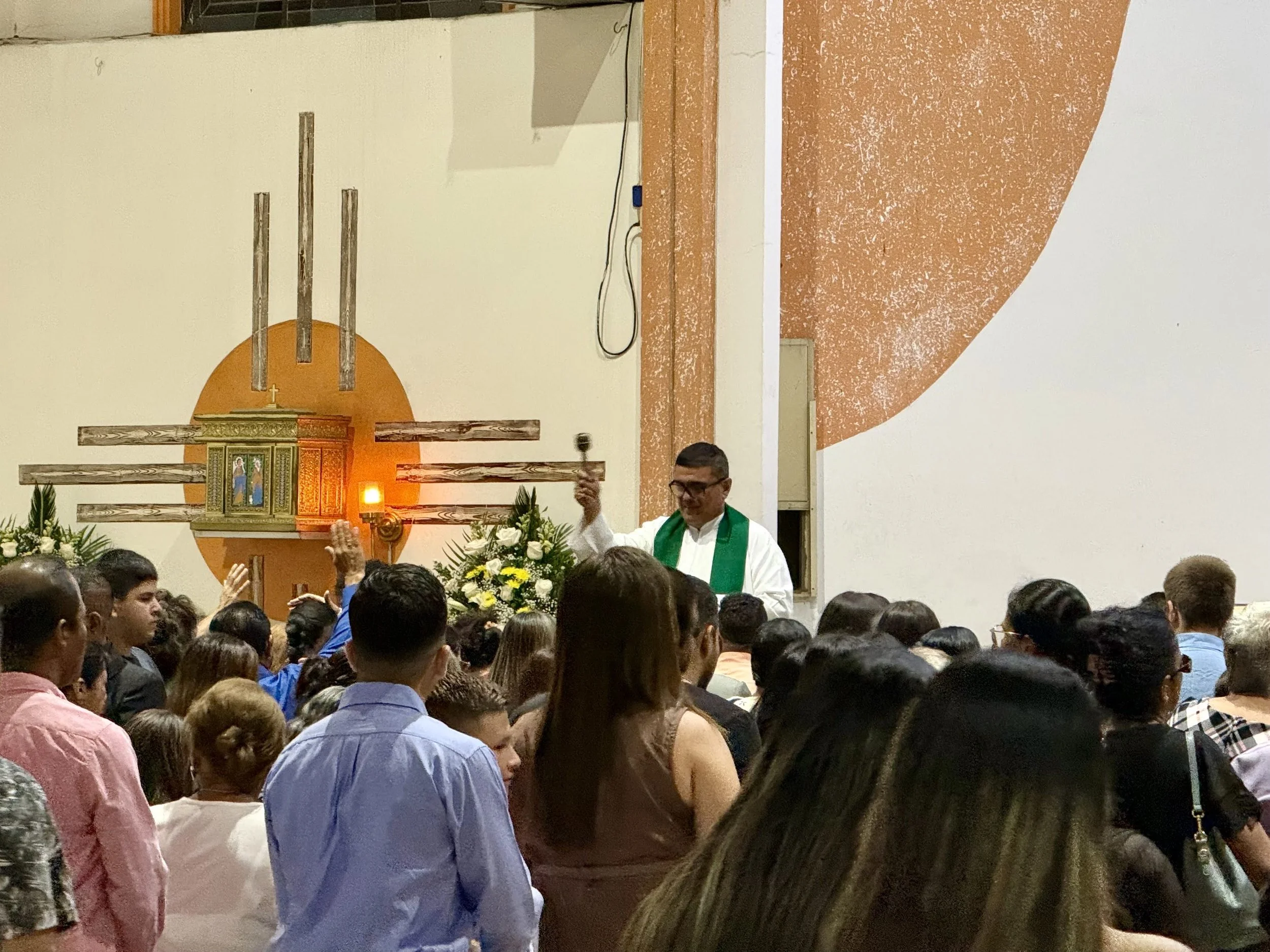
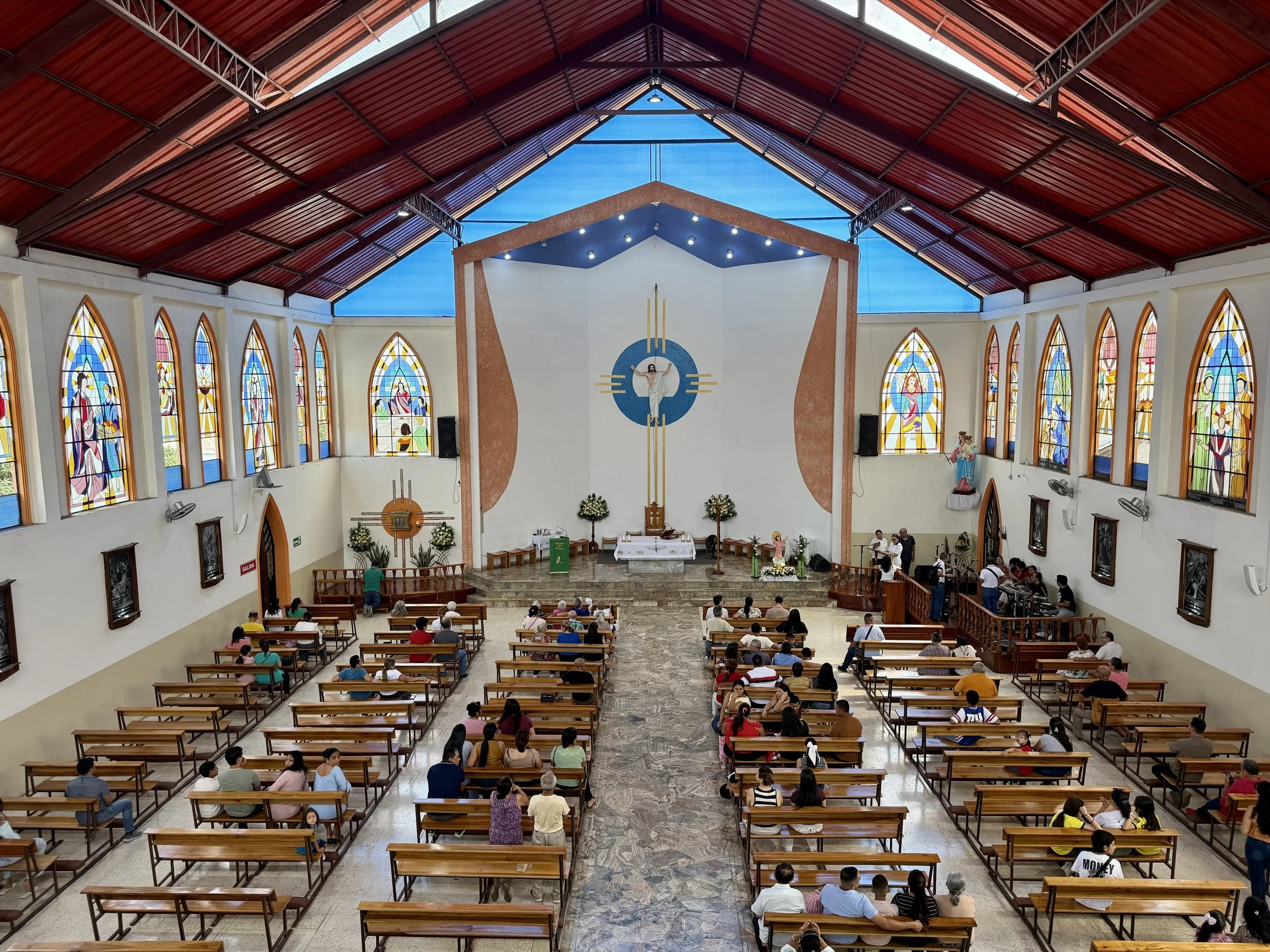
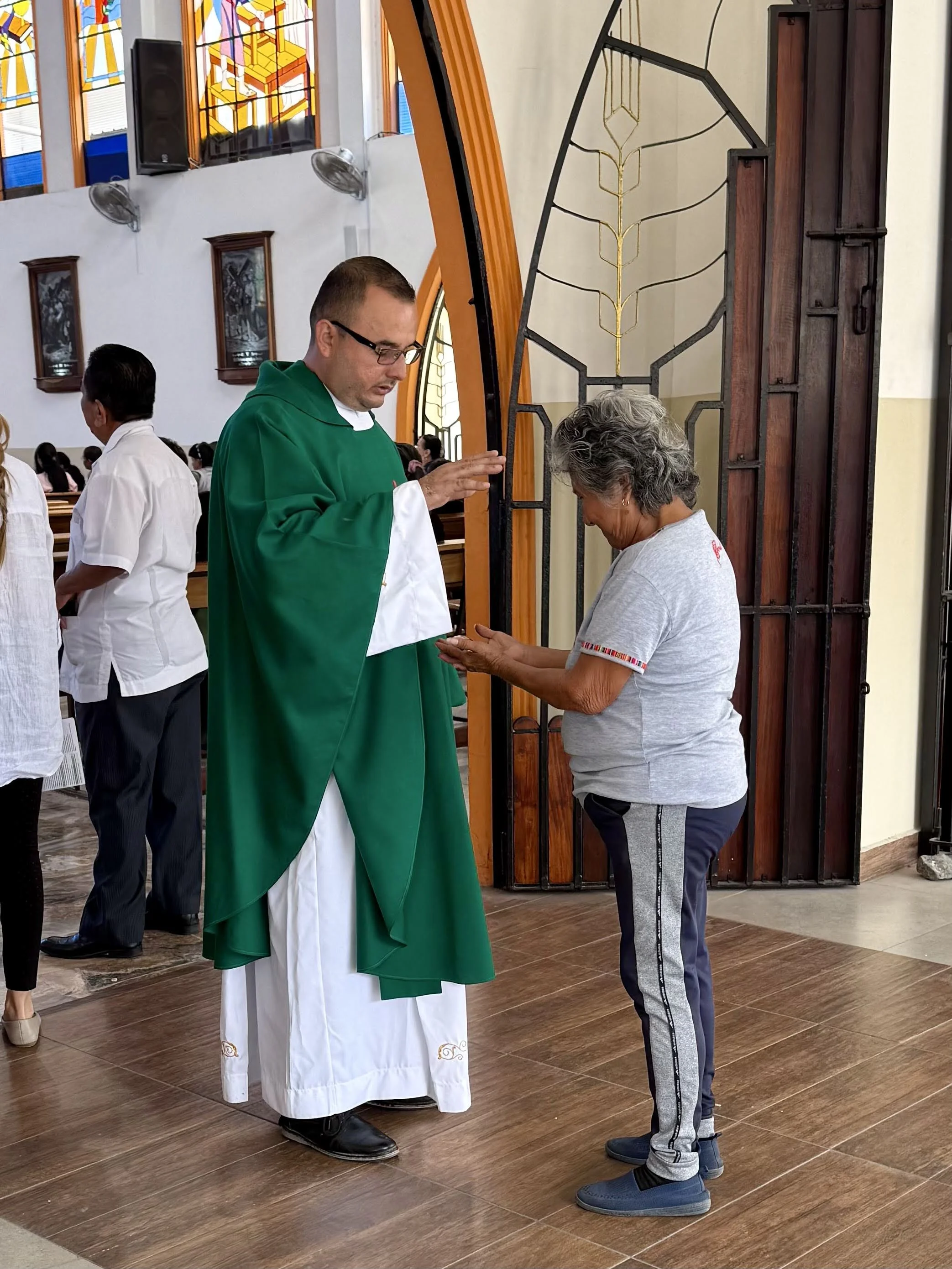
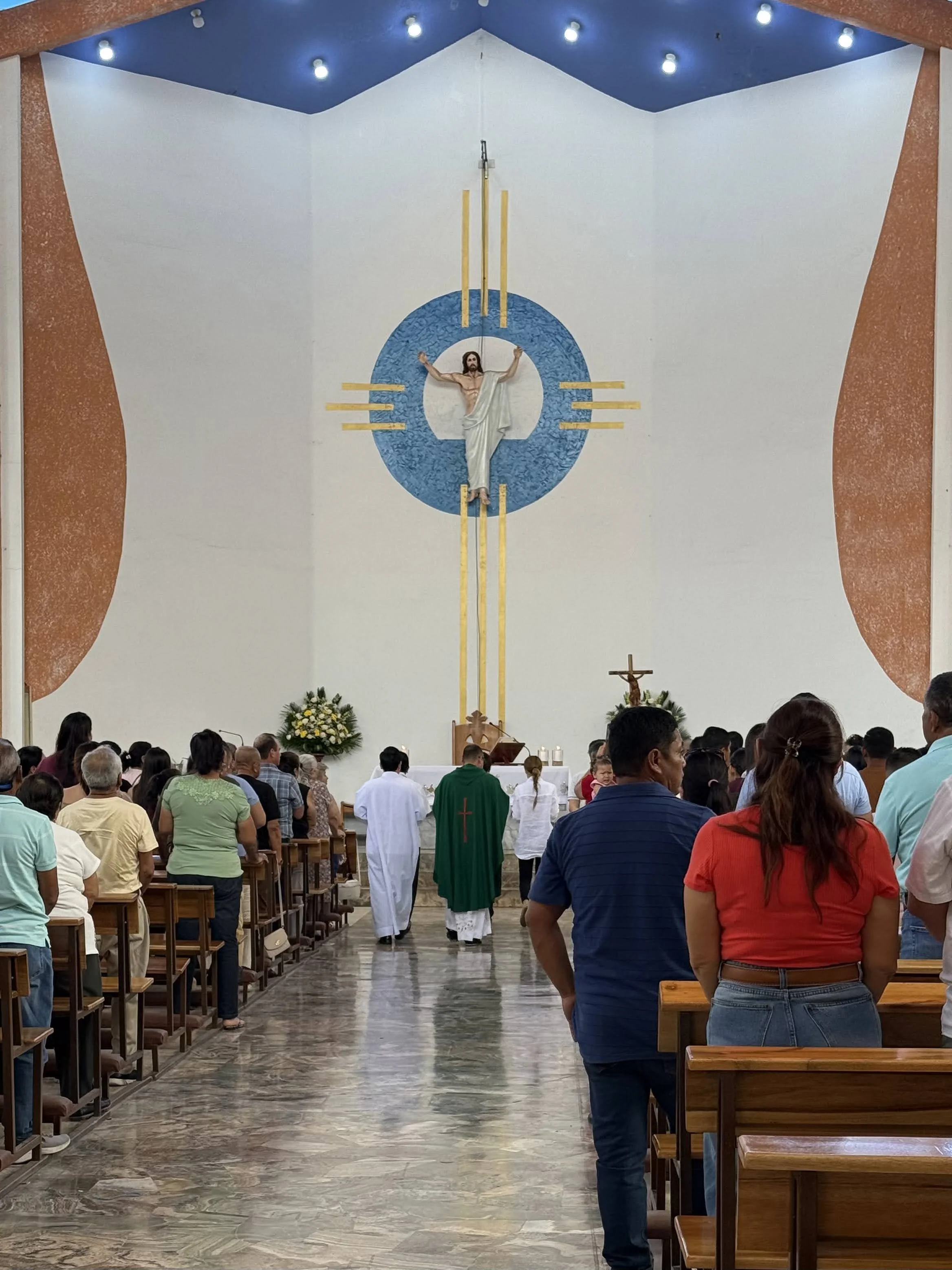
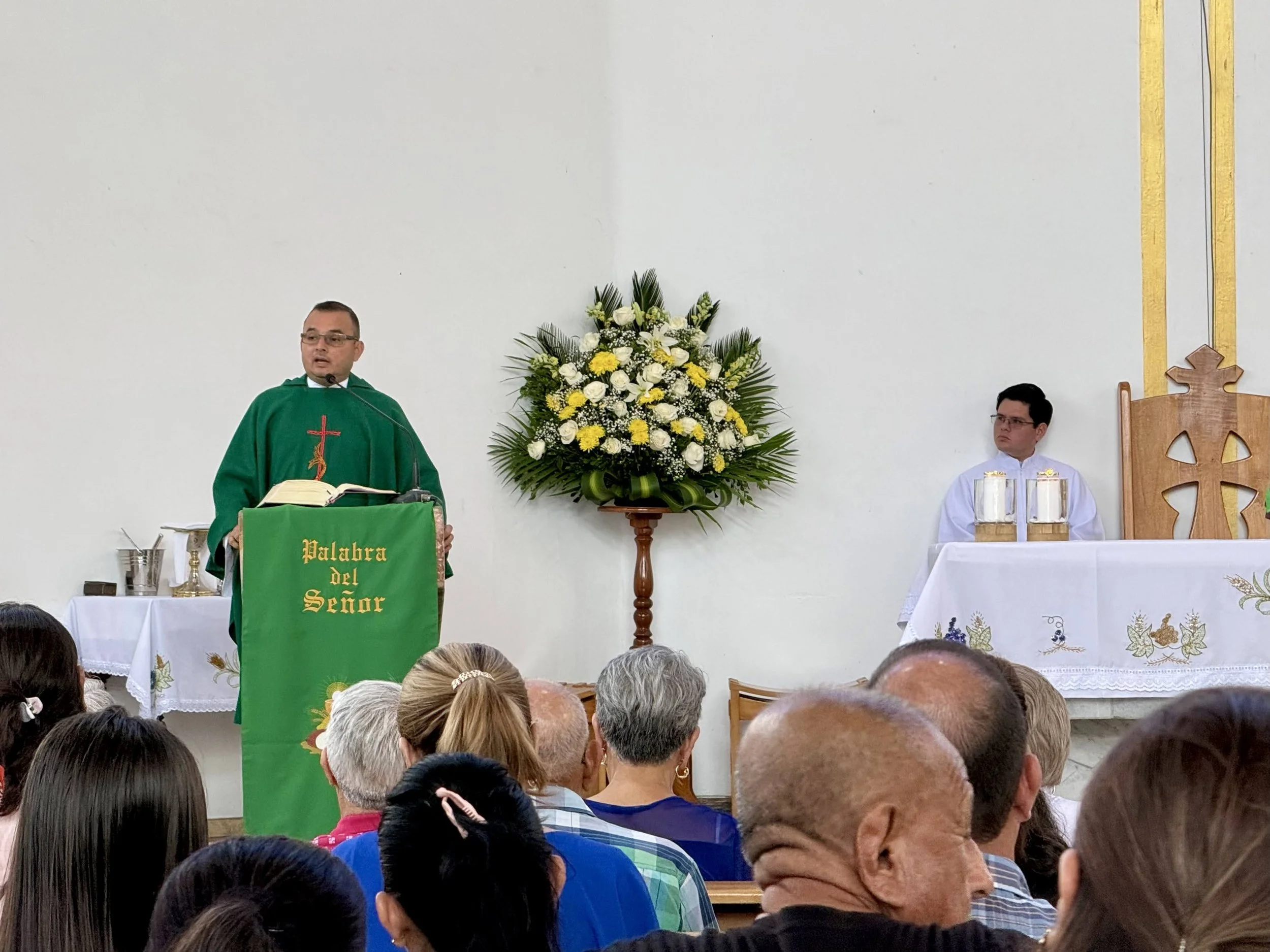
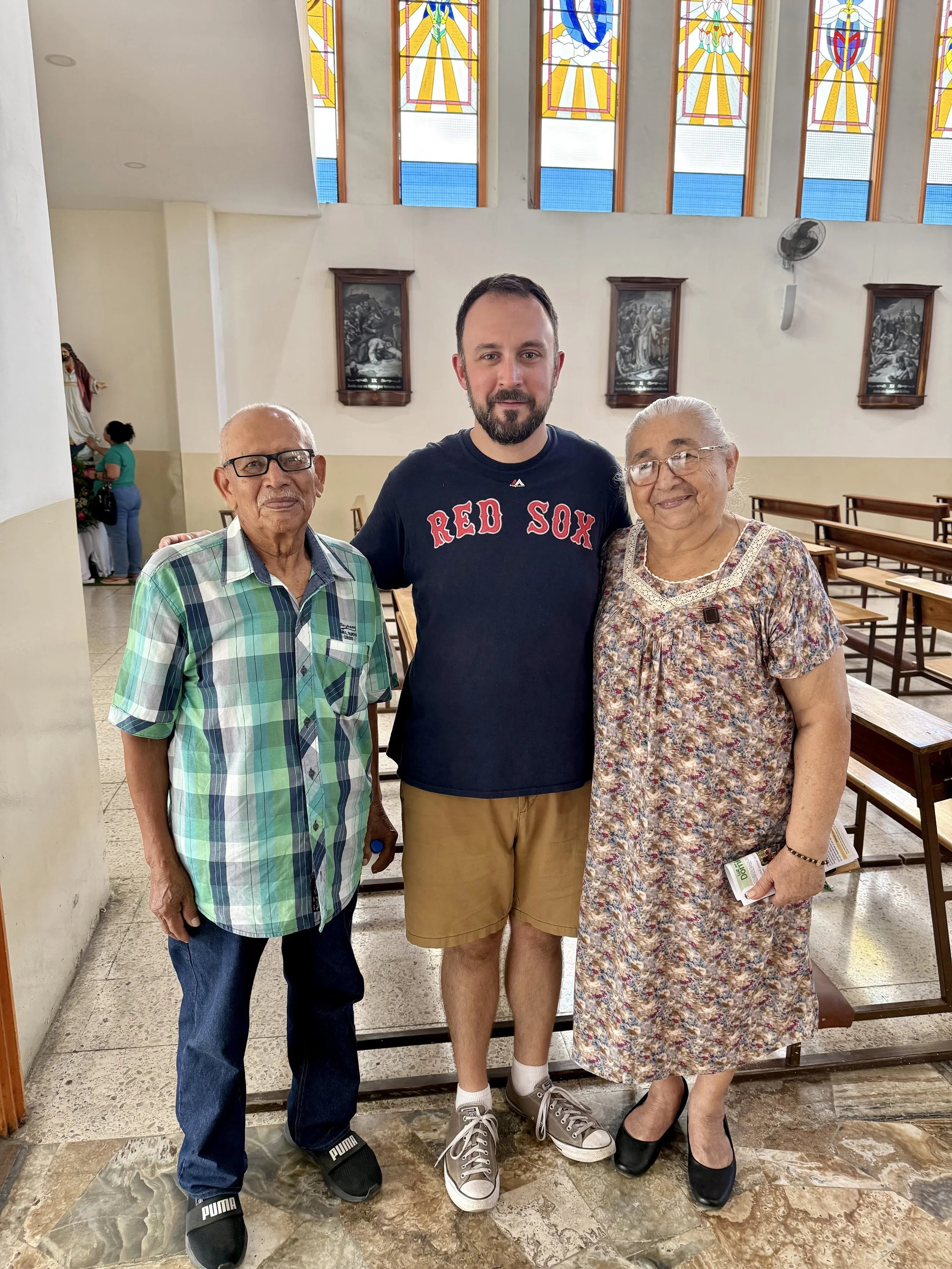
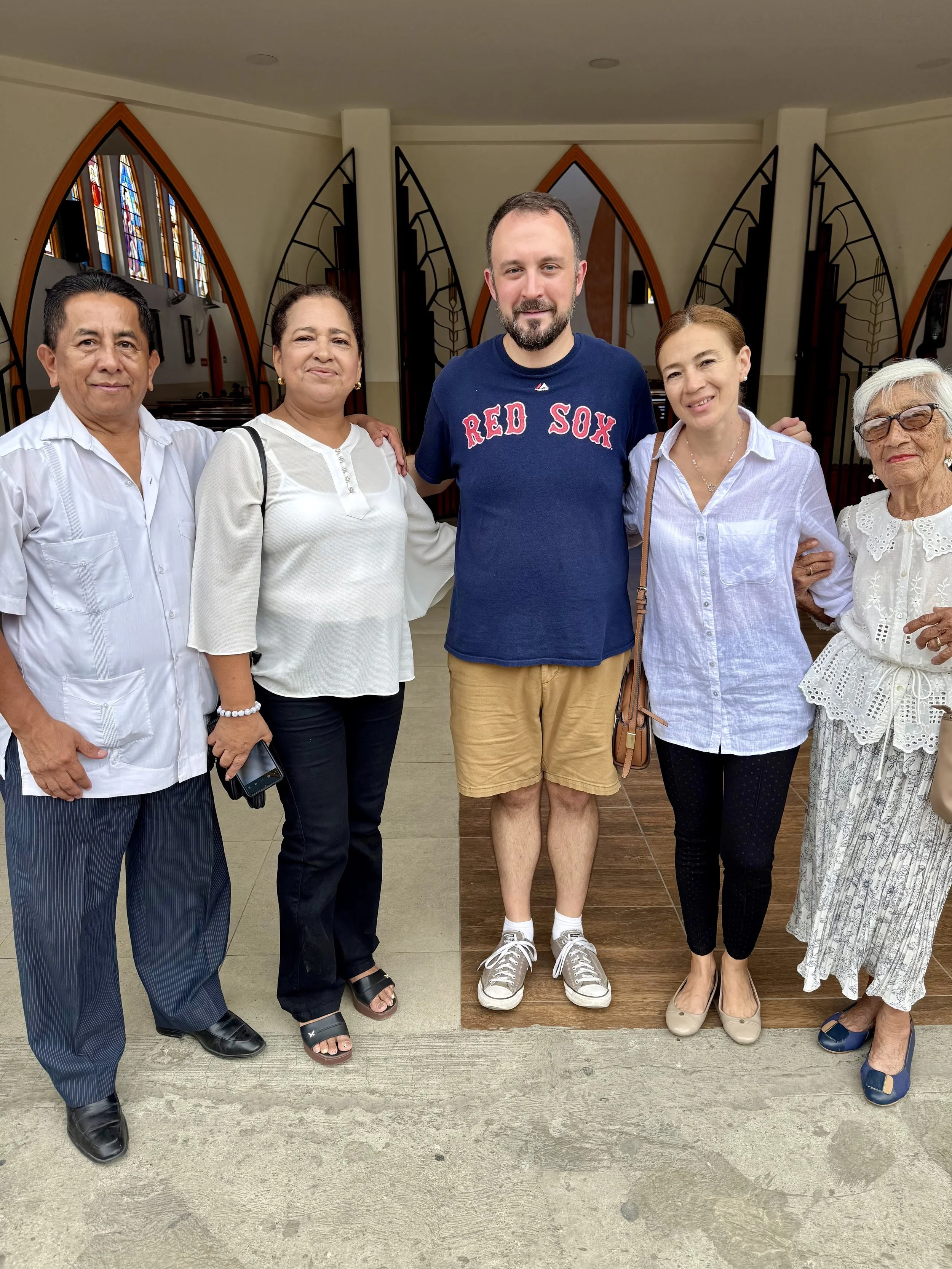
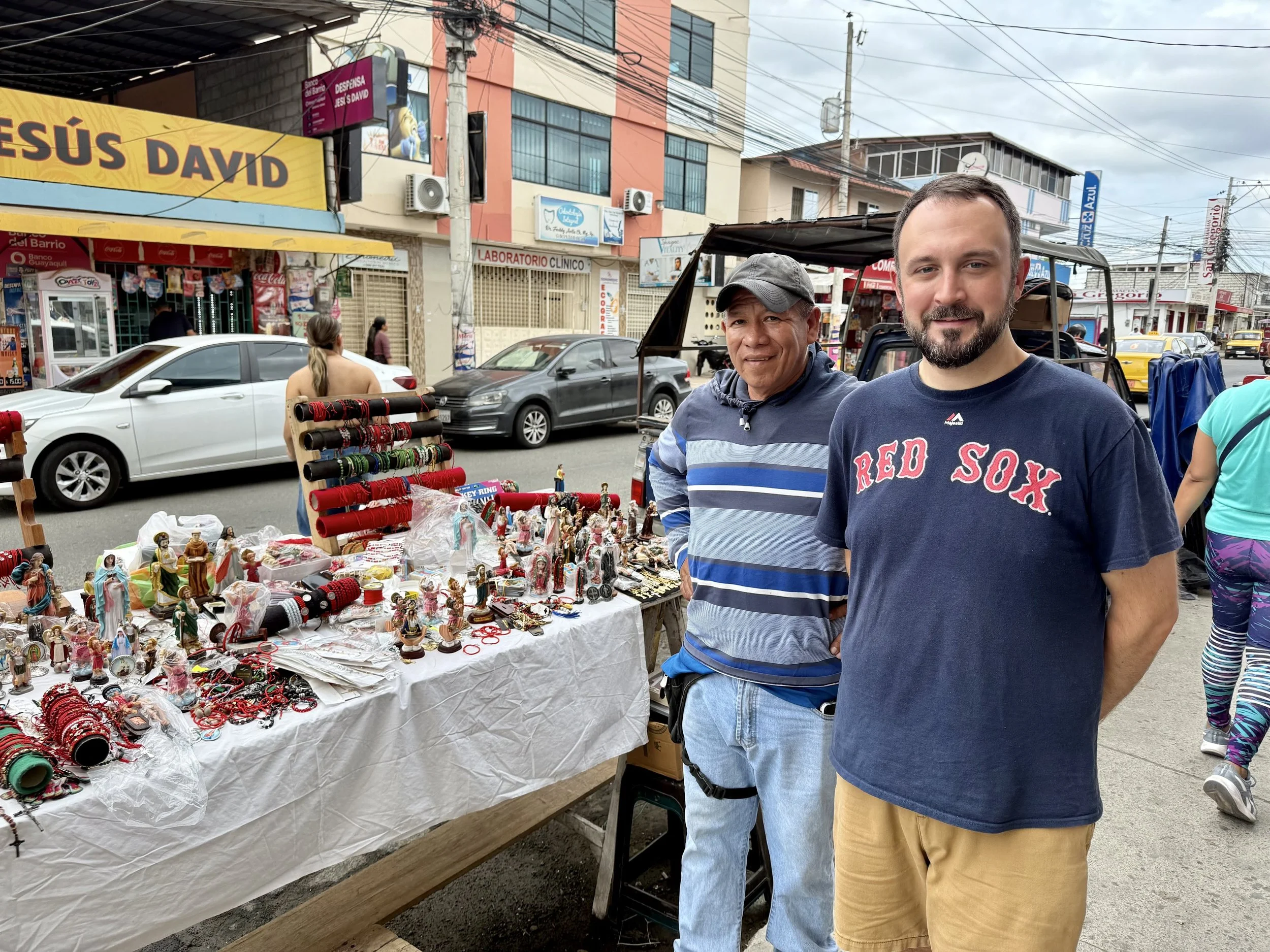
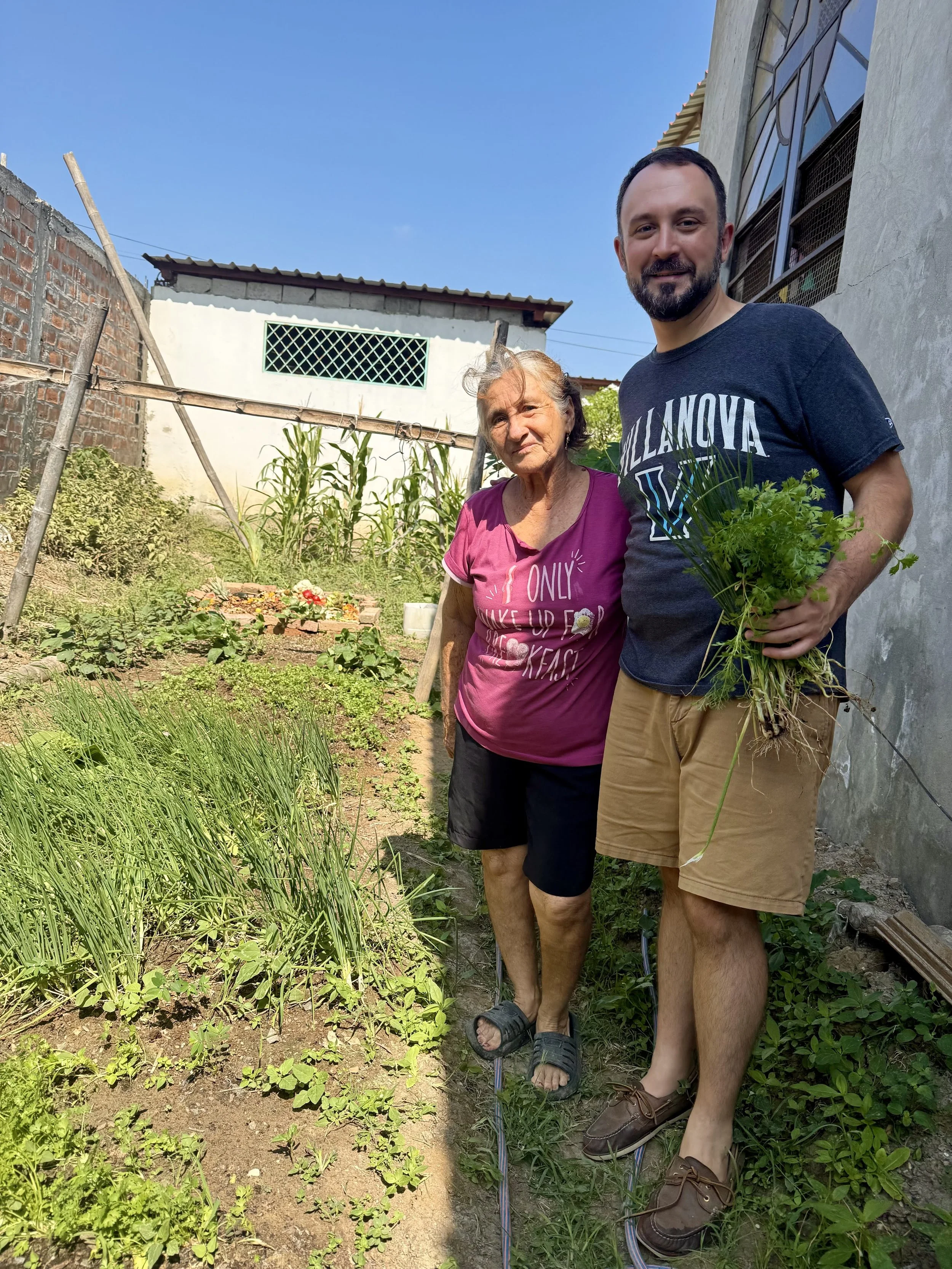
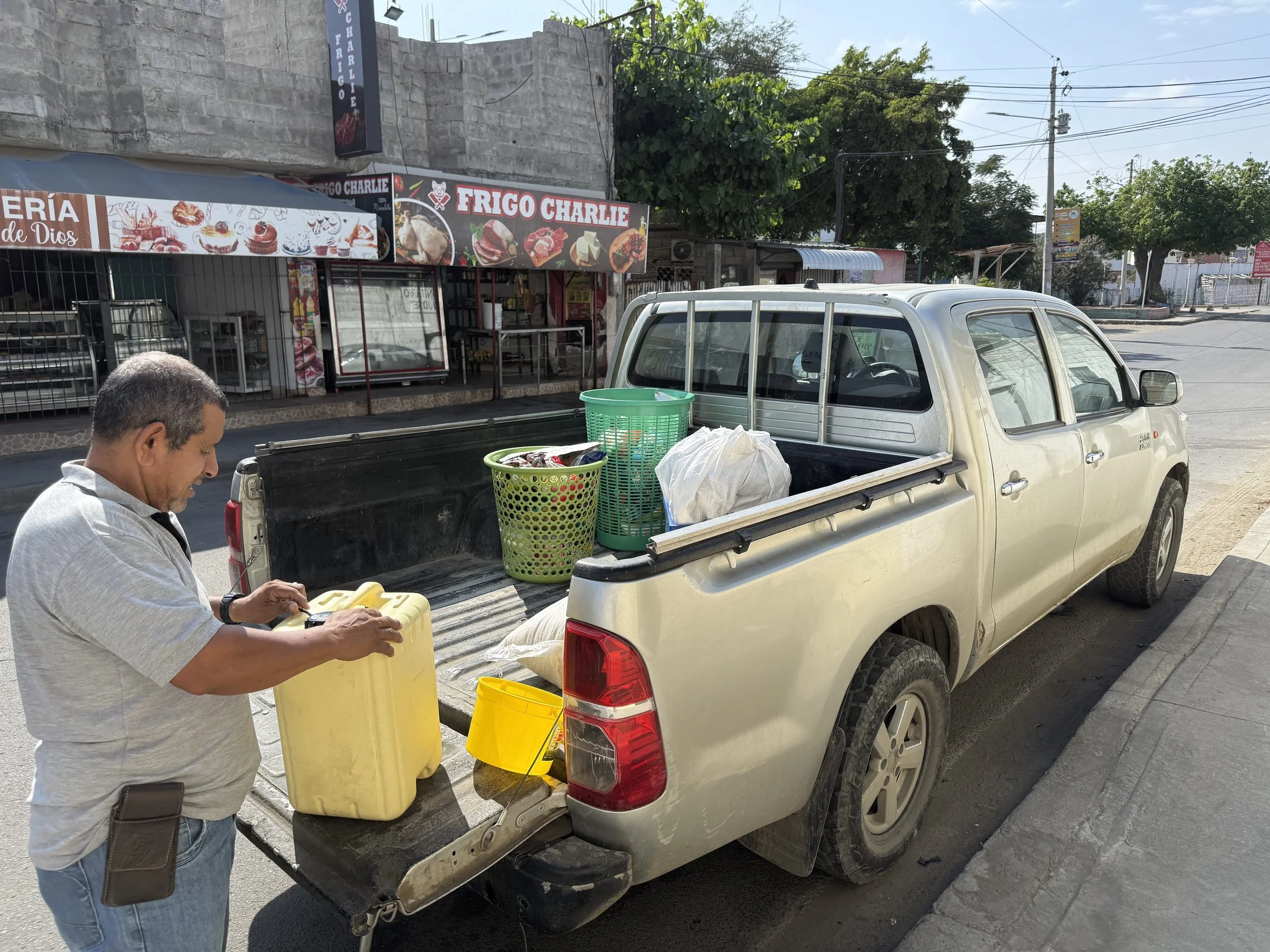
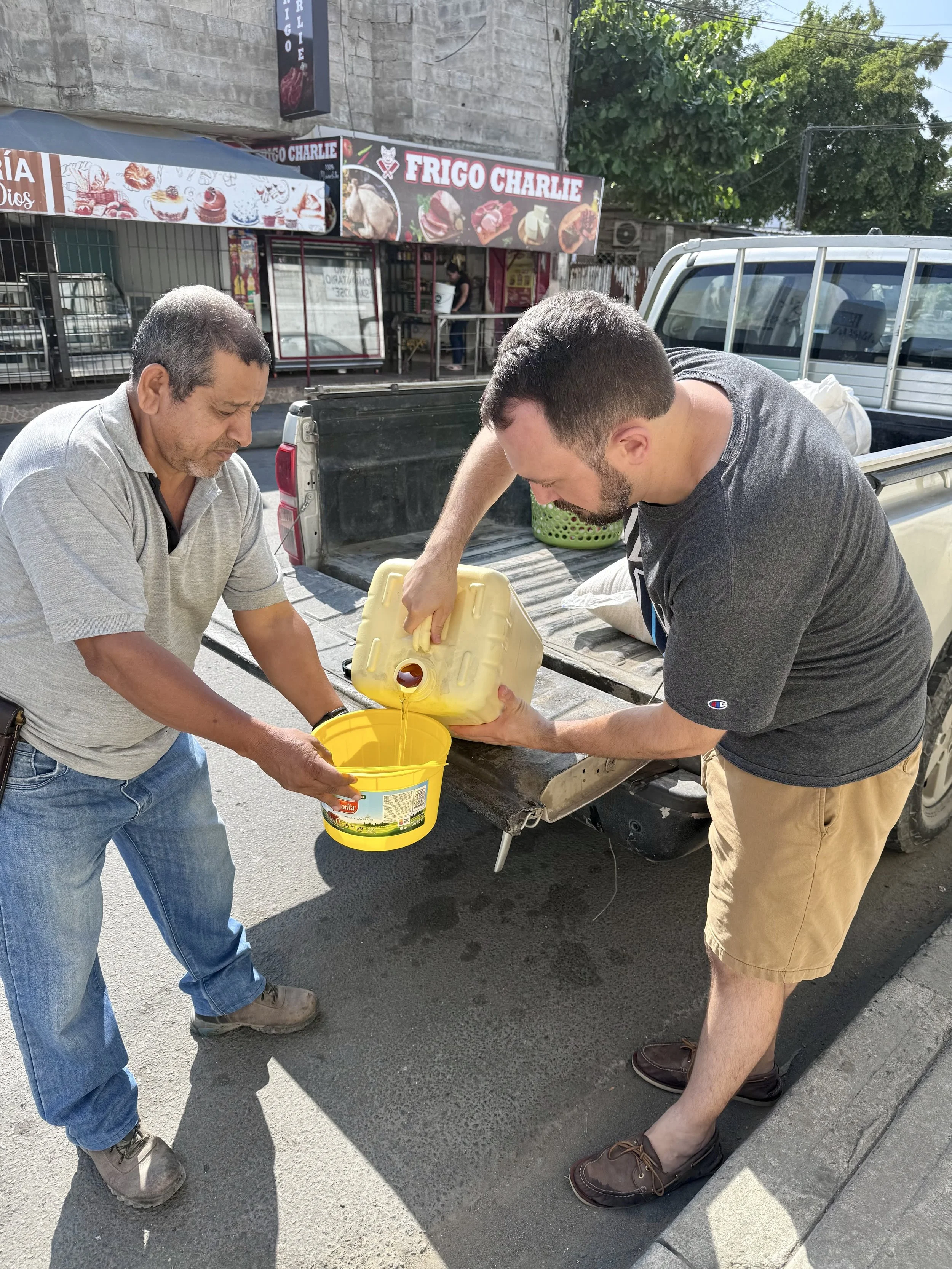
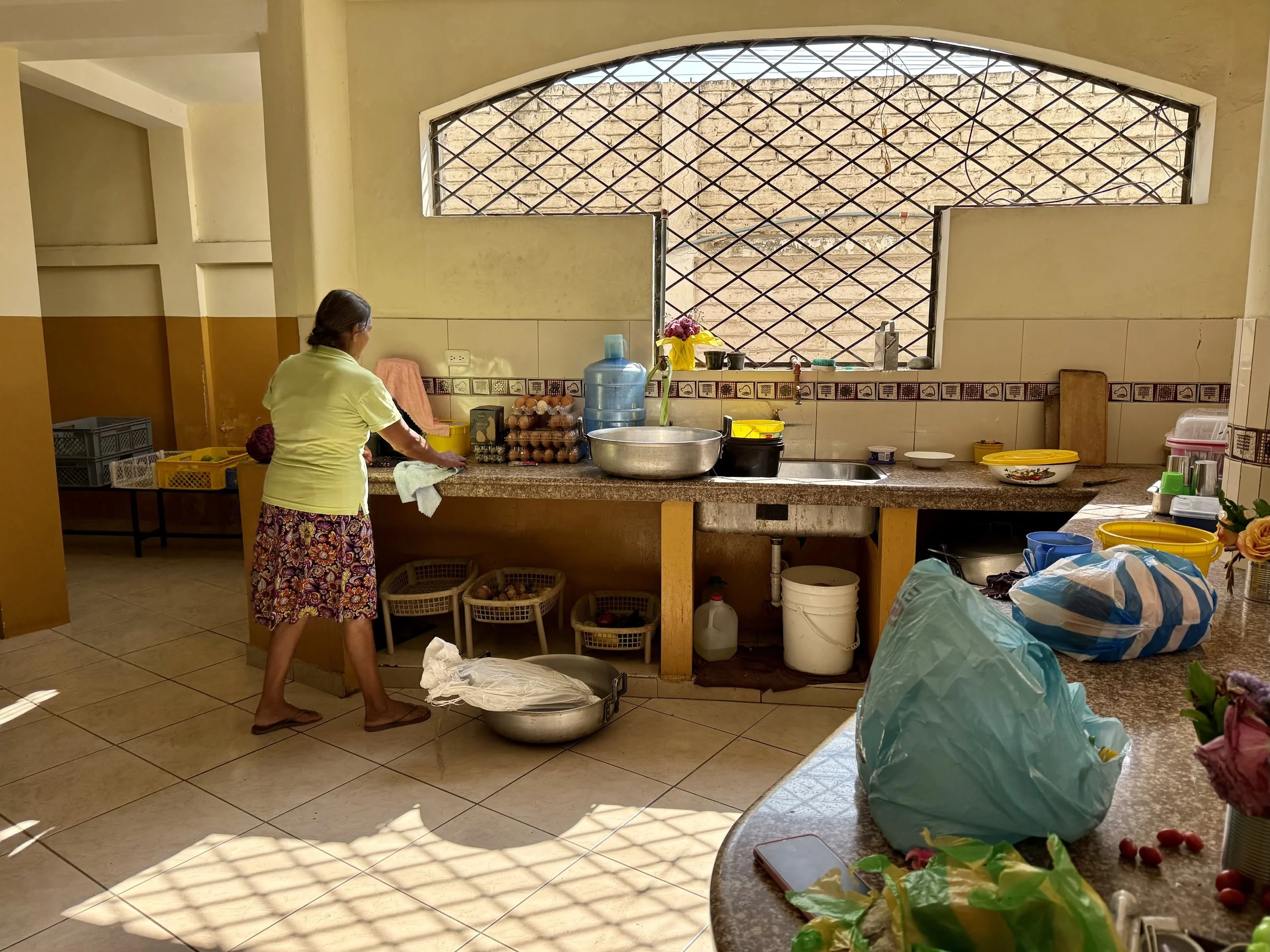
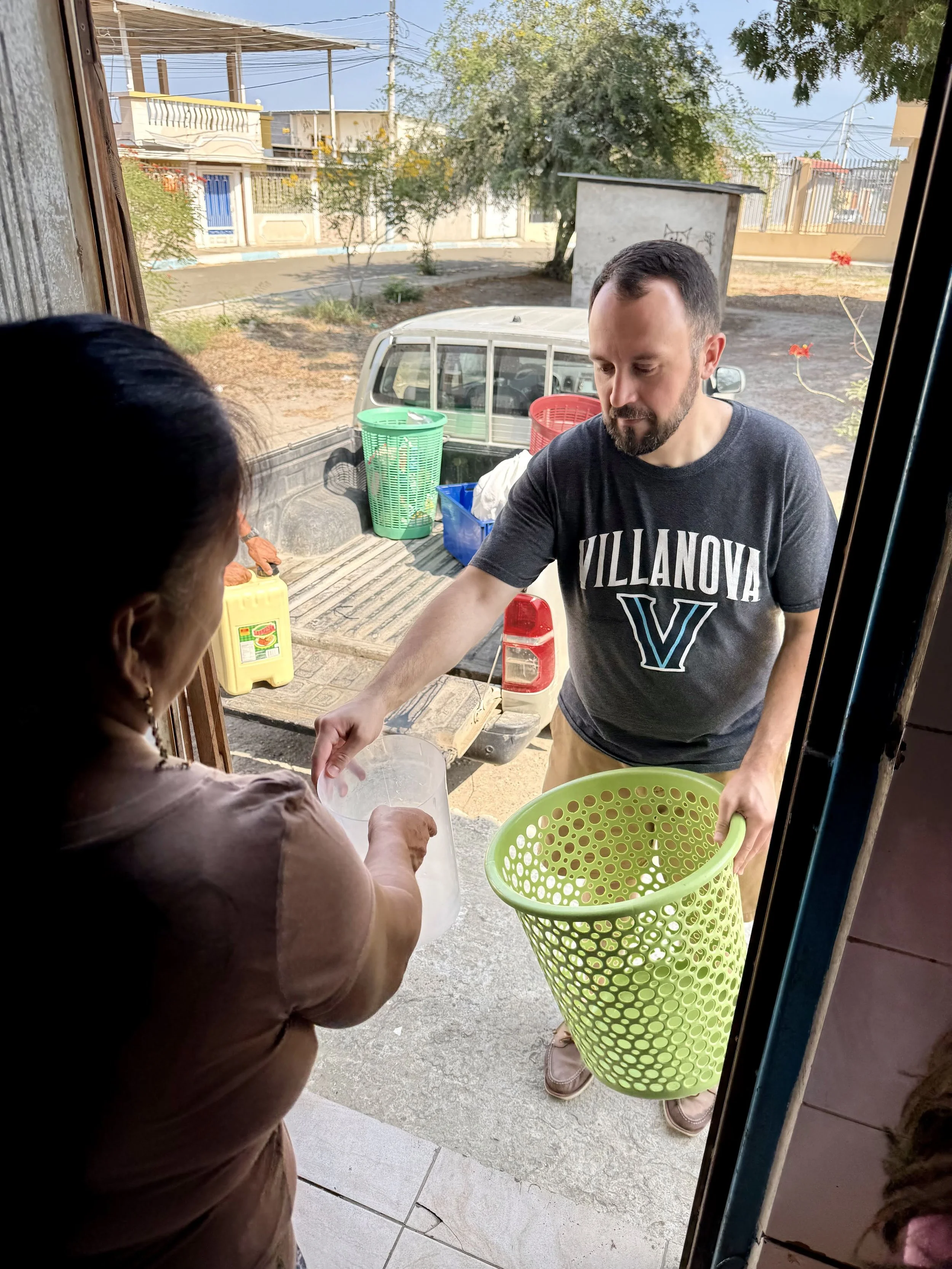
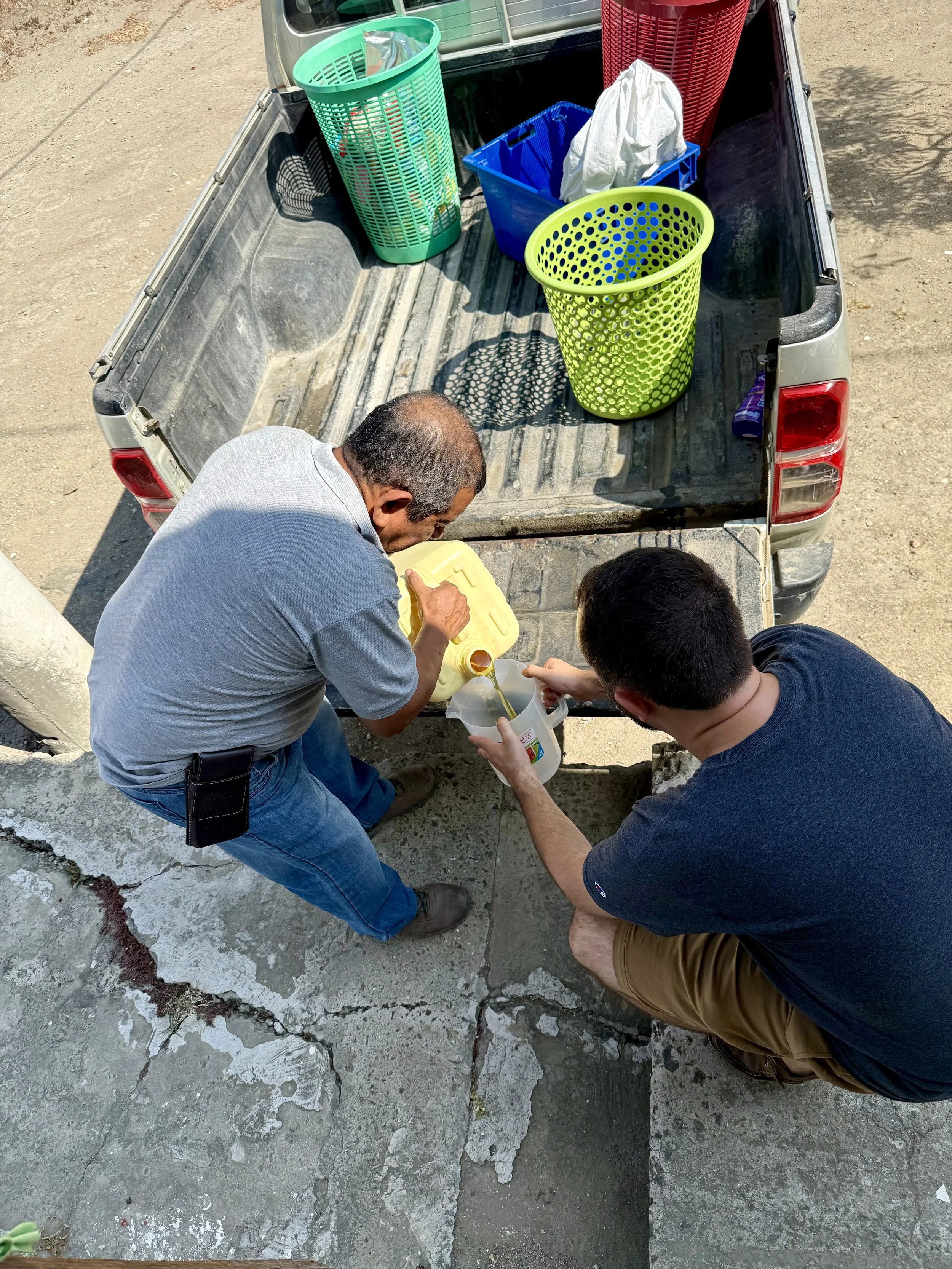
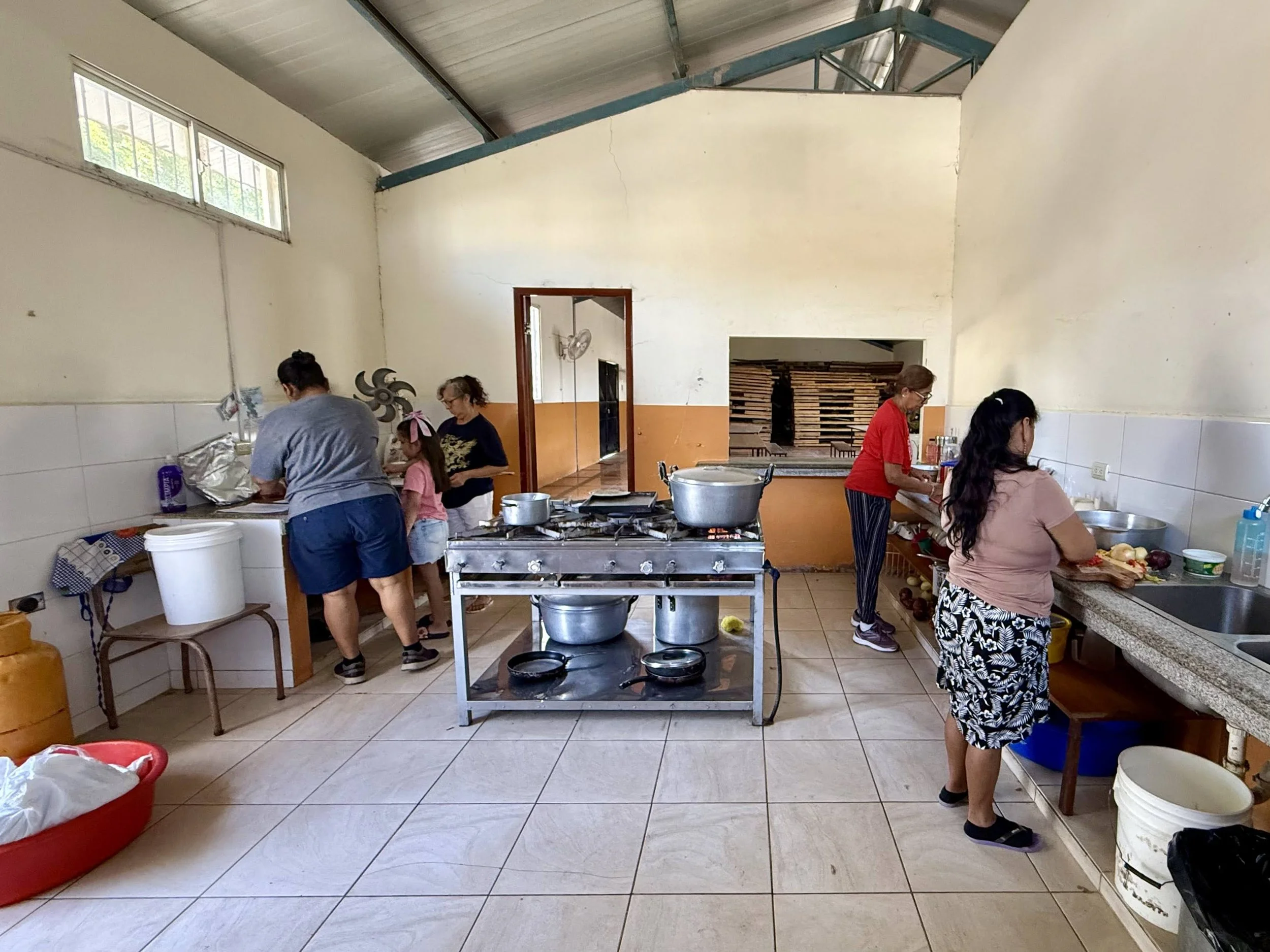
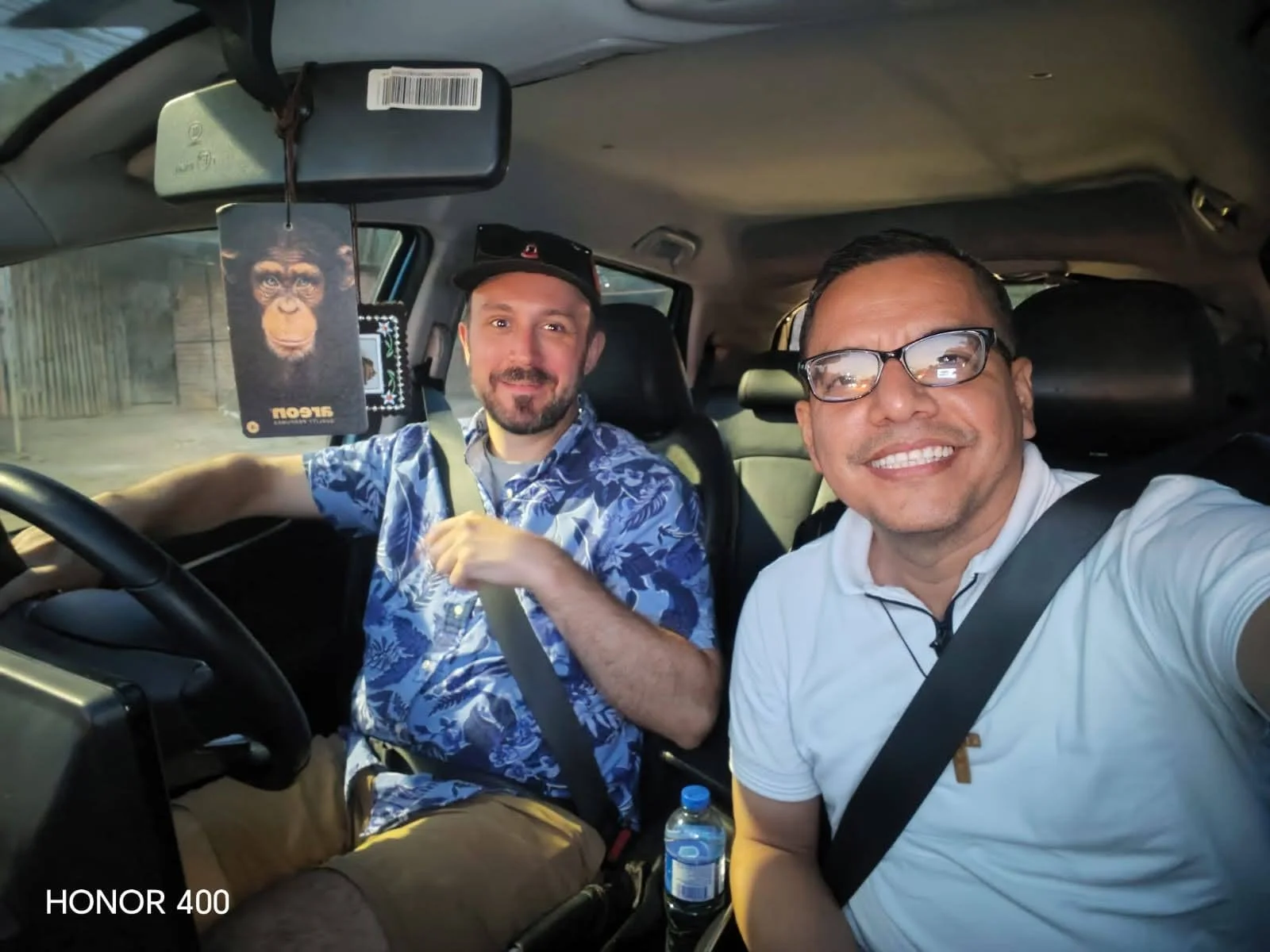
From there, I traveled to Ecuador, where I worked with many Oblates and parishioners, speaking at Masses and communion services, distributing supplies to social outreach centers the parish sponsors, and exploring the bustling fish markets. I also got to spend several days visiting the postulant house, where we swapped formation stories and slowly realized that Oblates in all corners of the globe have eutrapelia, the good-natured but very funny teasing Francis de Sales discussed, down to a high art form.
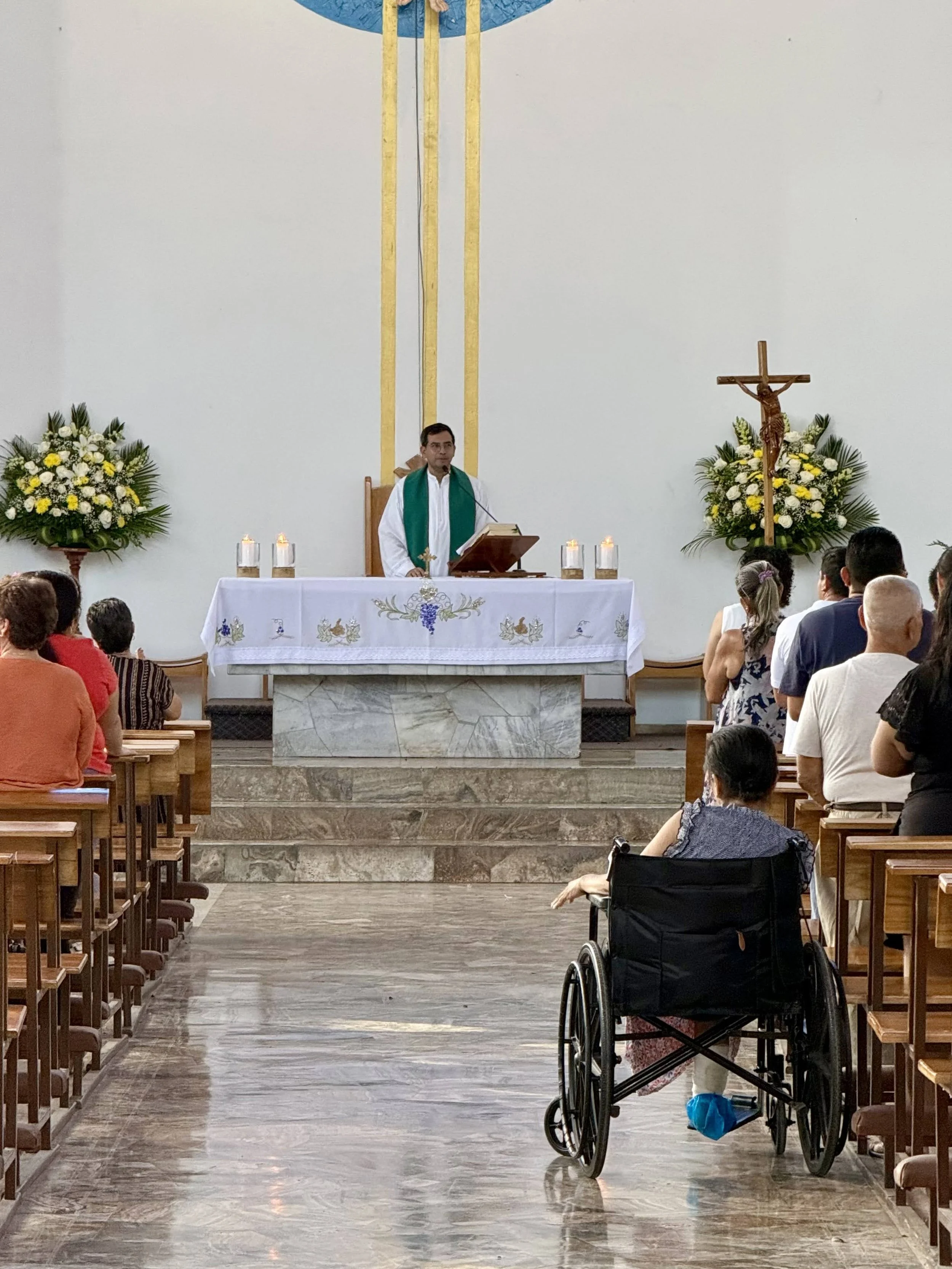
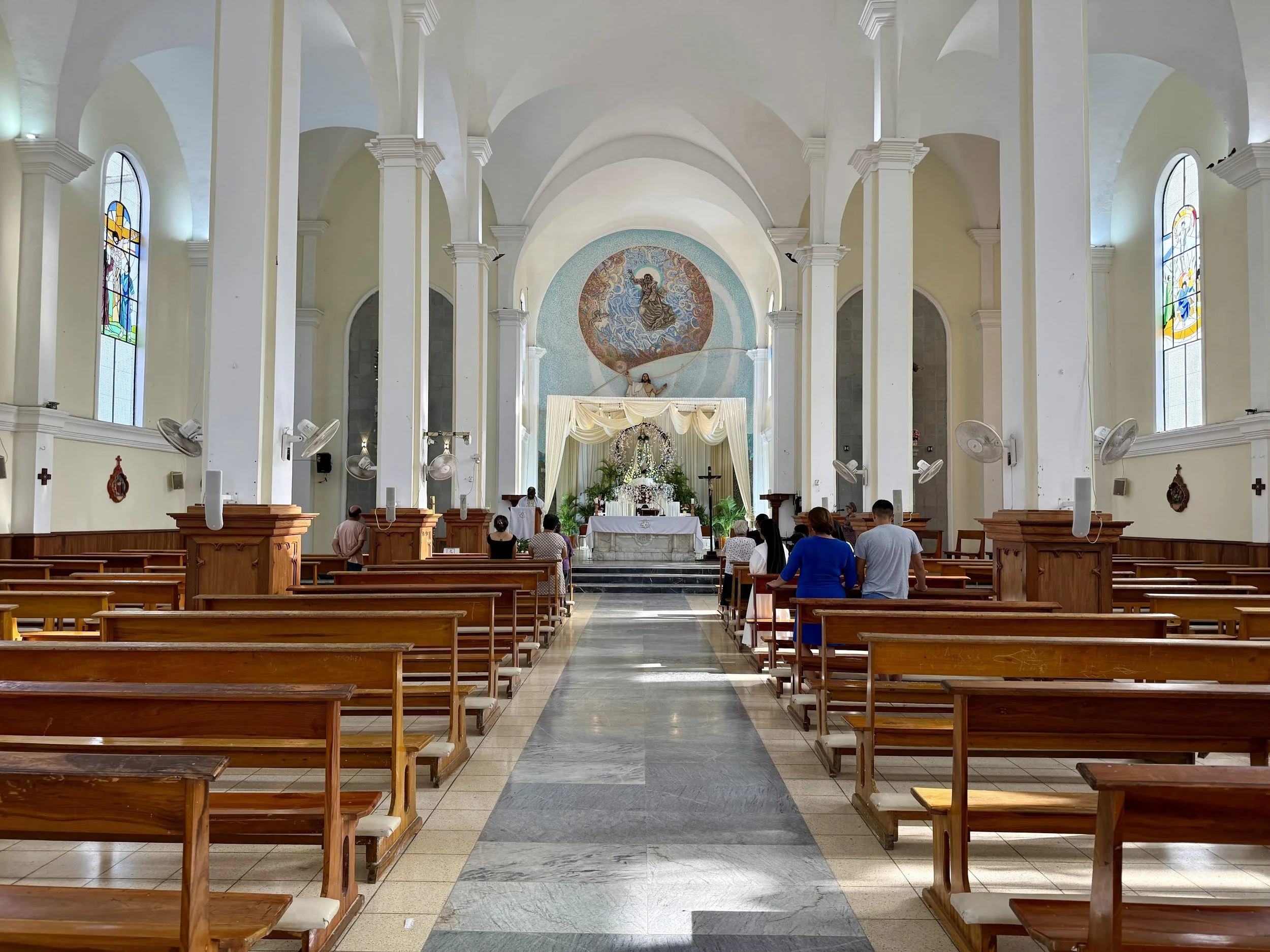
Perhaps the most unexpected of the many graced moments I experienced came on Tuesday, July 28. Padre Alberto Benavides, OSFS, the postulant director and pastor of the Oblate parish in Rocafuerte, Ecuador, asked Daniel, one of the Ecuadorian postulants, and me to lead communion services in two of the parish’s worship sites in villages outside the town. I assumed he would write a homily and have us read it. Instead, he told me I was going to write and deliver a reflection (in Spanish!) myself: “You’ve studied theology. Why wouldn’t you do it?” The readings for July 28 include the Gospel where Jesus unpacks the parable of the wheat and the chaff for the disciples. It’s not an easy one to preach about, since it is itself kind of a homily. I am also a longtime city dweller who has benefited from many of the world’s unjust economic systems. Who was I to explain to a congregation of people whose houses were surrounded by cacao plants the ins and outs of an agricultural metaphor about divine justice?
I did my best and discussed our belief that nice people finishing last does not mean that God has abandoned us. I focused on fidelity in the midst of uncertainty. I mentioned Mary, Untier of Knots, as a counter-image to the entanglement of wheat and chaff. After the service, nobody brought up any of the concerns I had had. They just told me how glad they were that they could actually understand what I said and how grateful they were that Daniel and I had made the trek. It was never about whether I was qualified to speak on theology; Jesus is the only human being who ever was. It was about human connection and how it can lead us to God. And really, that takeaway was my takeaway from the entire trip!
The early Oblats et Oblates who left France for Latin America faced long odds and great struggles, but they found the face of Christ in the people they worked with. I had to overcome some difficulties in communication, but Christ shone clearly through everyone I met. Just like my professor said, I came away from my visit with a renewed optimism that Christ’s presence will always sustain the work of the Oblates, make it more effective, and redeem the weaknesses I bring to the table as I try to participate in it. ¡Roguemos al Señor!
Photos from Mexico
Photos from Ecuador
Mr. Bill Grebe
Oblate Seminarian
Toledo, OH


