Mardi Gras: Celebrating and Changing
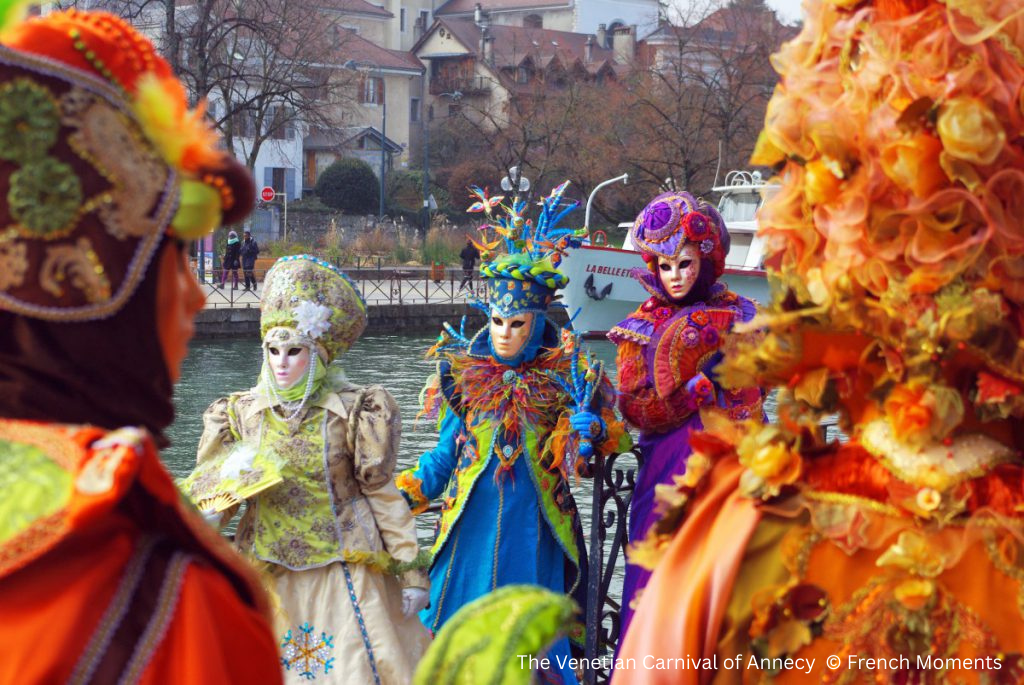
The Venetian Carnival of Annecy
A few weeks ago, I wrote that “Catholics know how to celebrate.” My original statement was in connection with the end of Christmas. I reflected on how Epiphany leads into a “Salesian season” of remembering our saints, founders, and spirituality.
In the next week, the celebrations come to a “grand finale” with the close of the Carnival season and Mardi Gras. The phrase “carnival” comes from the Latin words “carne vale” - literally a “farewell to meat.” Mardi Gras, a term that means “Fat Tuesday,” refers to the day before Ash Wednesday. Our ancestors needed to get rid of the butter, eggs, and meat that were not to be eaten during the season of Lent. The feast before the fast.
Before the forty days of fasting, prayer, and almsgiving begin on Ash Wednesday, our culture and our Church have a “last hurrah.” The long weeks of winter will soon give way to six weeks of sacrifice, self-discipline, and ultimately spring.
The next few days are a reminder of the joy of the previous season and a preparation for the seriousness of the next few weeks. St. Francis de Sales taught us to find the joy in everyday life, to recognize God’s presence in all situations and seasons.
May these next few days be an opportunity to celebrate the love of God that first came to us at Christmas. As Christians, we recognize that love all through the year. As Salesians, that love and devotion help us to live a good life and carry out our vocation.
This is the real meaning of Mardi Gras. This is not just a celebration of eating, drinking, and dancing. This is a reminder that seasons are changing, and we are being called to change: to turn away from sin and be faithful to the Gospel. Mardi Gras is our entrance into Ash Wednesday and our inauguration into the devout life that our patron St. Francis de Sales calls us to live.

Fr. Jack Kolodziej, OSFS
Provincial
Wilmington-Philadelphia Province


