Roots and Branches
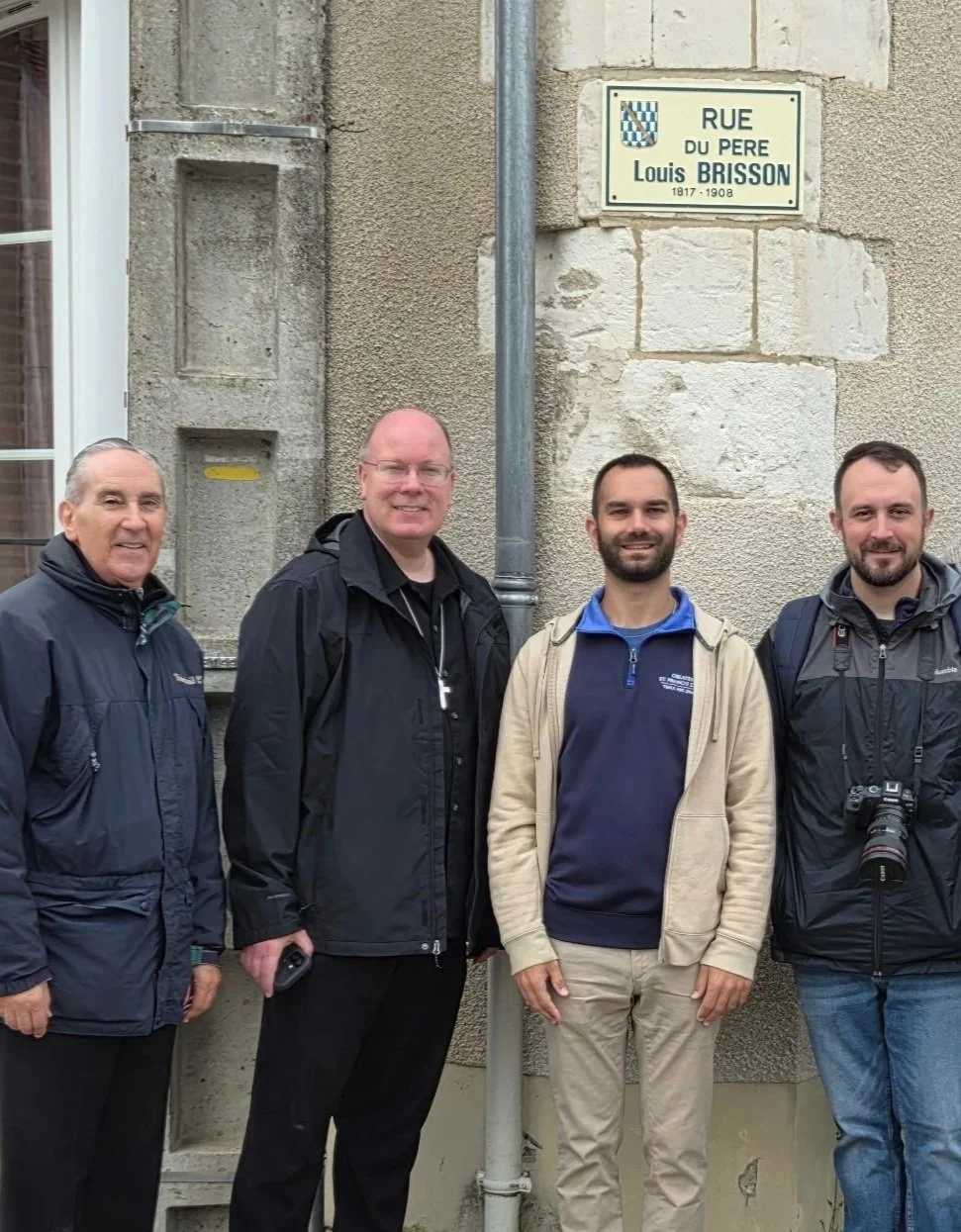
Fr. Joe Chorpenning, OSFS, Bro. Dan Wisniewski, OSFS, Mr. Matt Trovato, OSFS, and Mr. Bill Grebe
At the beginning of October, we had the opportunity to travel to Troyes for the 150th anniversary of the Oblates’ foundation and the passing of Mother Chappuis. The theme of the jubilee celebration was “Roots and Branches,” and we certainly saw plenty of both. The whirlwind tour included visits to the Visitation convent, the Oblate Sisters’ motherhouse, one of the early oeuvres, the ordination of three Beninois confreres, a morning excursion to Fr. Brisson’s birthplace, and an 18-hour side quest in Paris. It was a blessing both to encounter our past and to see the many branches whose growth will shape our future.
Looking to the “roots,” we are in the chapel of the Visitation convent for Saturday morning Mass. This was the very room where Fr. Brisson used to celebrate Masses for the Sisters, including the Good Mother. The space itself is beautiful, adorned to the hilt in Baroque style. Seeing the Sisters on the other side of the grill was enough to transport anyone back a few centuries. Then the sanctuary filled to capacity with Oblates. We saw our founders’ legacy, vital and energetic, representing the many works they do to recreate the Spirit of St. Francis de Sales in all corners of the world: the United States, France, Benin, South Africa, just to name a few. At the end of the Mass, we even got to see our very own Deacon Jon Dick announce the dismissal in French! The experience reminded me of the timeless legacy of the Gentleman Saint and how it continues to transform us now. It was almost like there was a direct line from that chapel to the one I came to love so much at Salesianum, 4000 miles away.
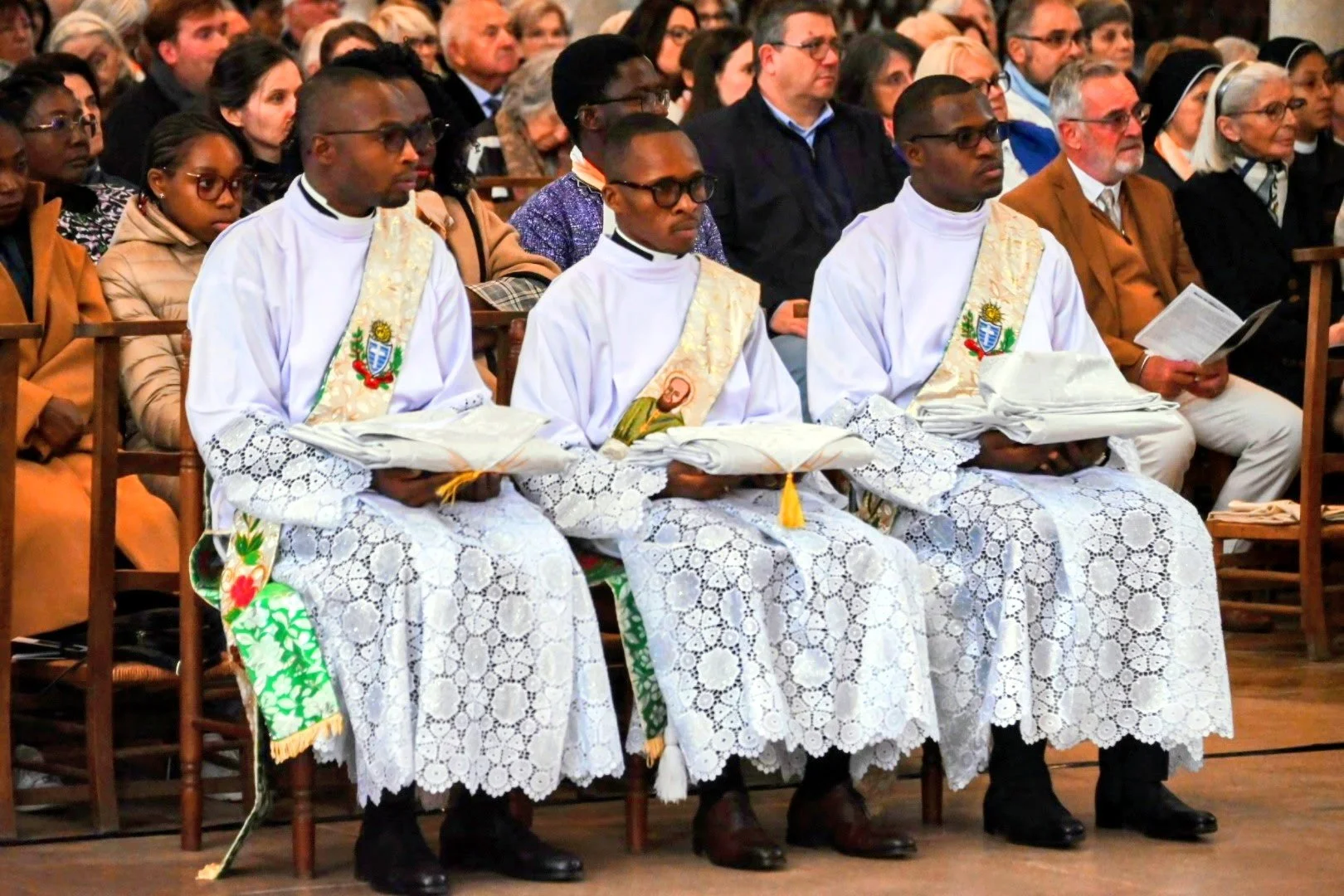
Ordination of three Beninois Oblates.
On Sunday, we focused more on the branches by celebrating the priestly ordination of three young Beninois Oblates. Under soaring 13th-century Gothic arches, the event gave powerful witness to the energy and dynamism at work in our congregation as it looks to the future. Being in my 30s and discerning religious life in the United States inevitably means I sometimes feel like an anomaly. To see three men who were several years younger than me embrace their vocation to the great acclamation of all those gathered reminded me in a very tangible way that Christ is still with us and that this is likely not the “end of the age” he mentions in Matthew 28. I always drew a lot of hope from the kids I taught, but this was particularly special because these men were on the same path I am working to embrace.
I went to France expecting to find the buildings and the relics very moving. I certainly was not disappointed: experiencing those places and things was powerful. However, the truly moving part of the trip for me was seeing how faithfully so many people, by their lives, both honored our roots and hoped for our future. As I return to life at Brisson Hall, it is my hope that I can channel my deepened connection to our roots and branches as faithfully as I saw so many people do it there.
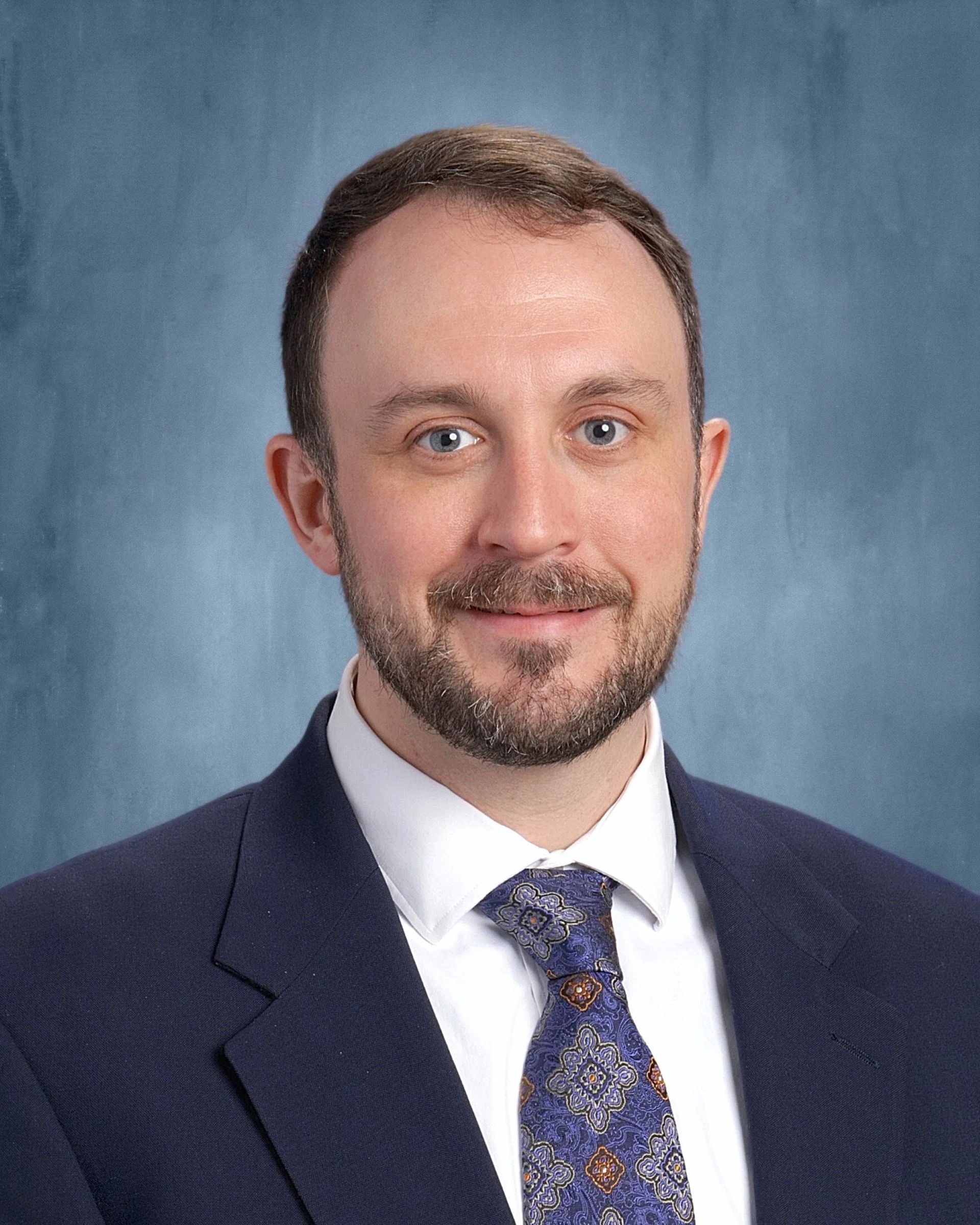
Mr. Bill Grebe
Oblate Seminarian, Washington, D.C.


