Music for the Soul: Holistic and Spiritual Development
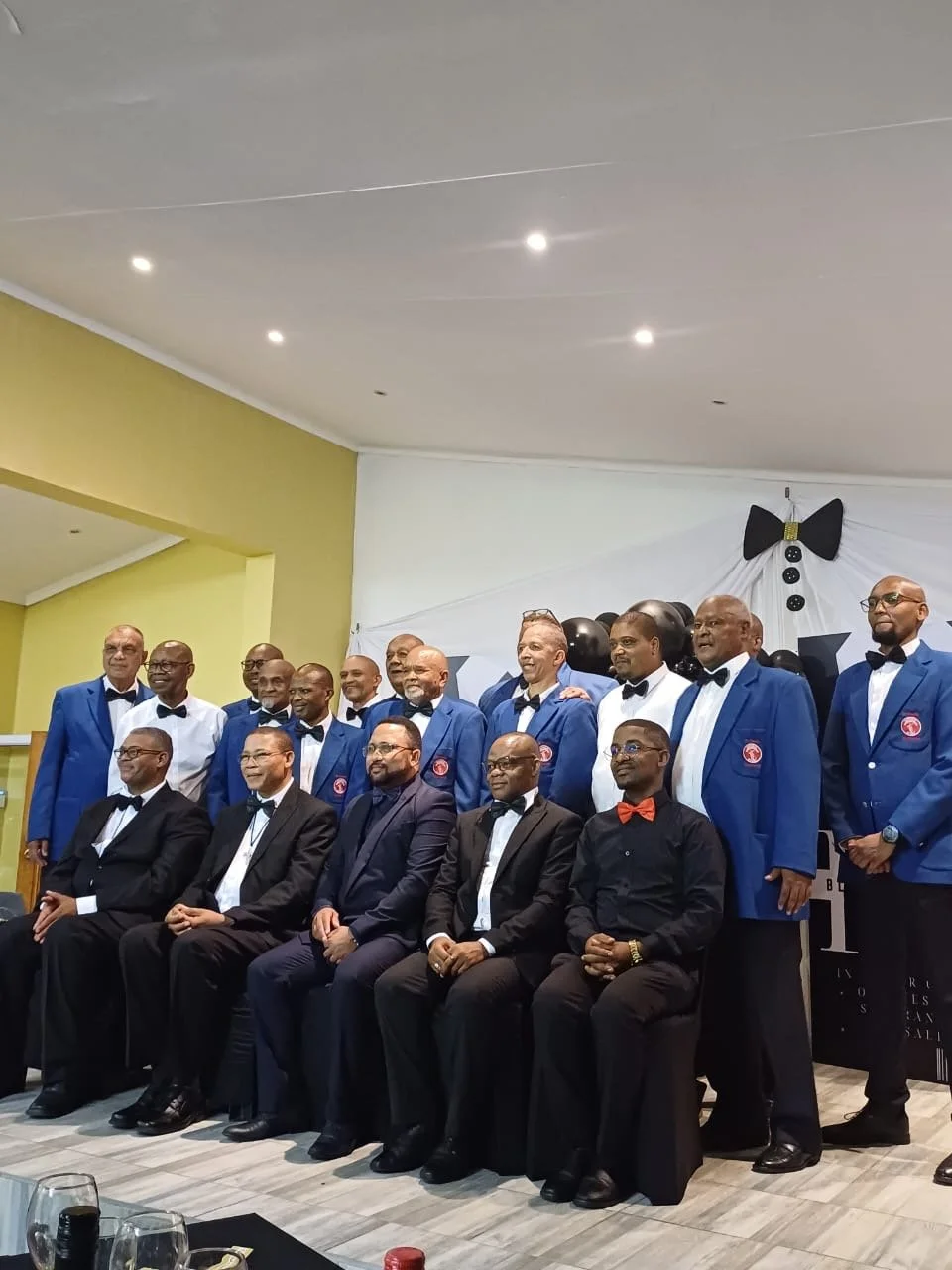
The Oblates in South Africa are committed to helping guide Catholic diocesan Church choirs throughout Namibia. Their involvement spans across all three dioceses in the Namibian Catholic Bishops’ Conference (NCBC), and today, their chaplaincy continues to shape the spiritual and musical life of the Church.
This all began in 1997. The choir chaplaincy was initiated by one of their brothers. Since then, the Oblates have continued to expand their mission greatly. Although the Oblates were not historically tied to Church music in Namibia, Fr. Charles Golliath, OSFS, says “their foundational role in the diocese makes them significant contributors to liturgical formation.” Over time, the Oblates have been unifying the liturgy and standardizing liturgical practices across Namibian dioceses.
According to Fr. Charles Golliath, OSFS, the goal of their involvement is to “provide pastoral insight and guidance to all diocesan Church choirs in Namibia.” Their role includes spiritual guidance, liturgical training, Salesian spirituality, and general Church teachings. The choir chaplaincy assists in the integration of faith into their ministry. Music is a form of service, reflecting Salesian humanism, emphasizing humility, gentleness, and active faith.
Liturgical training is important because it assists choirs in deepening their understanding of the Catholic liturgy and its developments. The Oblates teach choir members why certain songs are chosen, how the Mass is organised, and the impact of music in supporting prayer. These “fundamentals of Catholic liturgy” allow the choir chaplaincy to support the faith of their communities and understand their role in the broader mission of the Church.
A unique aspect of the choir chaplaincy is the incorporation of local music. The ministry has added traditional Namibian music into the Catholic liturgy, “while maintaining doctrinal and liturgical integrity,” says Fr. Charles Golliath, OSFS. Without losing the structure of worship, the community is able to celebrate their culture and traditions, aligning with the Oblates’ mission of holistic and spiritual development.
While the Oblates continues to play a large role in this ministry, they still face challenges. Participation is highly encouraged, with the hope to get more choir members actively involved, However, that can be difficult due to their lack of resources and materials, especially when trying to ensure consistent liturgical and spiritual formation across all three dioceses. Despite these challenges, the Oblates continue to collaborate with other choir groups in training and workshops to continue growth and effectiveness of this ministry.
“Through this ministry, the Oblates assist choirs in creating a meaningful and unified liturgical experience in Namibian Catholic worship.”

Grace Meadows
Oblate Missions Intern