
In the the Book of Genesis 19, we hear about Lot and his family who were delivered from the destruction of Sodom (Genesis 19:15-29). There are many layers to the story, but at its heart, it's a story about the challenge of letting go and moving forward in faith. It’s a tale of divine mercy in the face of destruction, and of human hesitation even when salvation is at hand. Lot is spared because of God’s mercy and Abraham’s faithfulness. Yet, even as the angels urge him to flee, he hesitates — and he has to be taken by the hand and led out.
His wife looks back, and in that moment of disobedience, she becomes a pillar of salt. Biblical scholars tell us that the Hebrew verb used for “looking back” implies far more than a quick glance. It suggests a lingering, a longing, an attachment to what is being left behind. We see this same sentiment expressed by the Israelites much later in their history, when they grumble to Moses: “Weren’t the cemeteries large enough in Egypt that you had to bring us out here in the wilderness to die? Didn’t we tell you to leave us alone and let us stay in Egypt? We were better off as slaves than as corpses in the wilderness.”
Whether it's Lot's wife or the Israelites in the desert, Scripture lays bare the human tendency to cling to the familiar. And we, too, can fall into that same pattern: a delayed gaze, a longing for what once was. Transitions are never easy. They unsettle us. They expose our fears. They test our willingness to trust that God’s future is better than the past we’ve known.
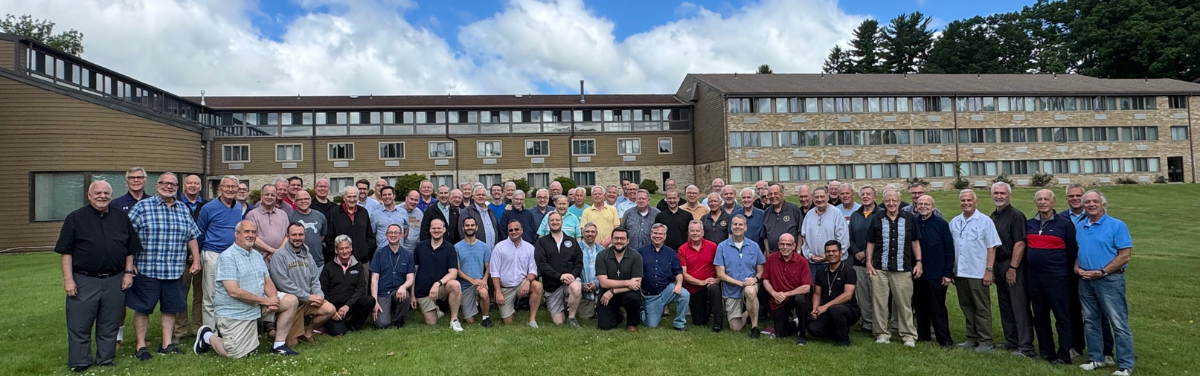
This week, the Oblates gather in convocation. It is a challenging moment of change and a time of shifting of responsilibites. It’s easy to become content with the present, or even nostalgic for the past. But God calls us forward. And that call takes courage. It takes trust in divine providence. It requires hope — not in our own strength, but in God’s grace.
Each of us, in our personal journeys, our communities, our own transitions,, have known what it means to live in that uncomfortable space between the familiar past and the uncertain future. St. Paul reminds us that Christians have a dual identity: we are citizens of heaven and temporary residents on earth. That identity shapes how we live, how we love, and how we hope.
Like Lot, himself, may we let ourselves be led — even when we hesitate — by the mercy of God who takes us by the hand. Let’s keep our eyes fixed on what lies ahead. The grace of God goes before us. And the future is held in the hands of the One who loves us and accompanies us.
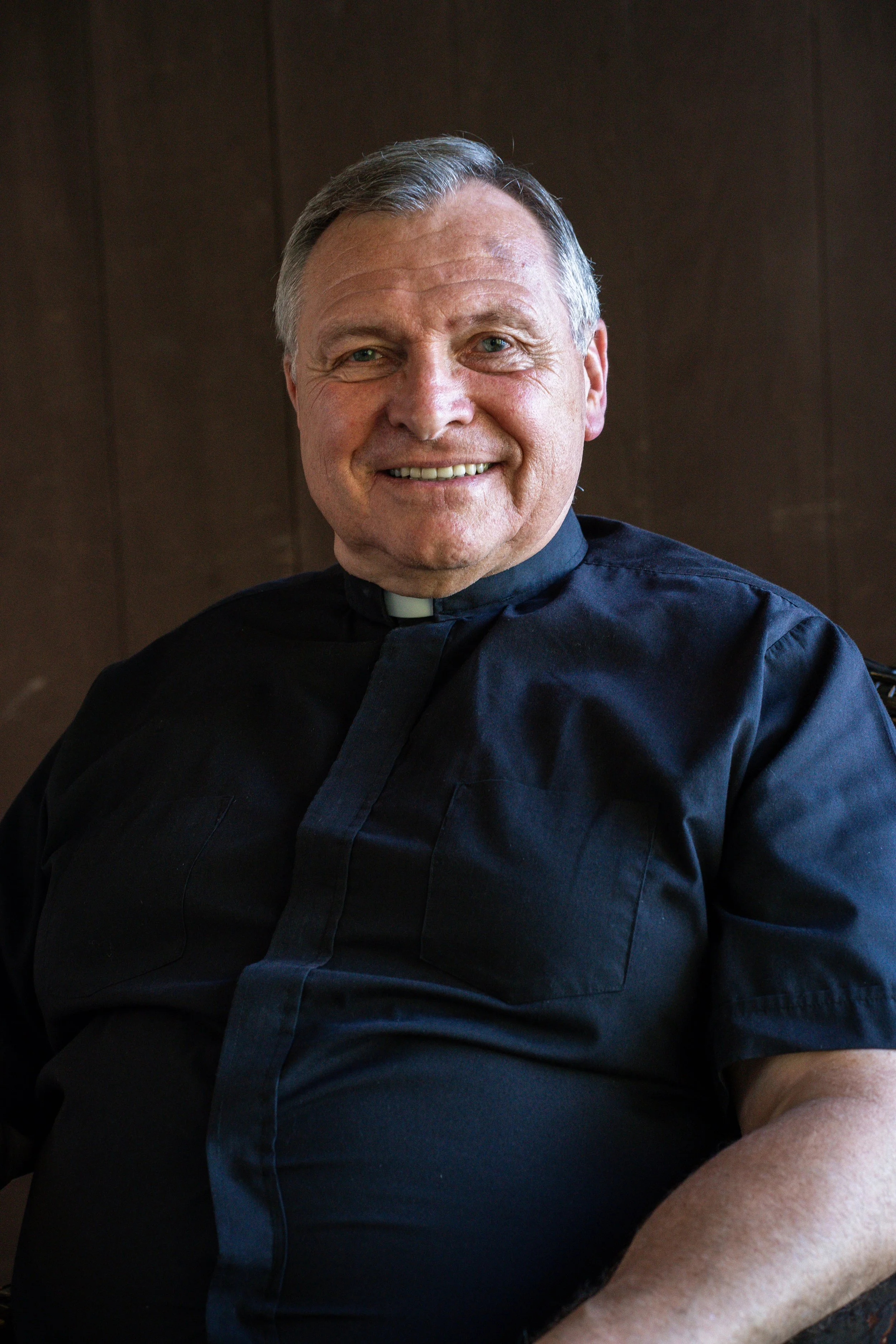
John Kasper, OSFS


